New food pyramid website has a chatbot skeptical of its own content
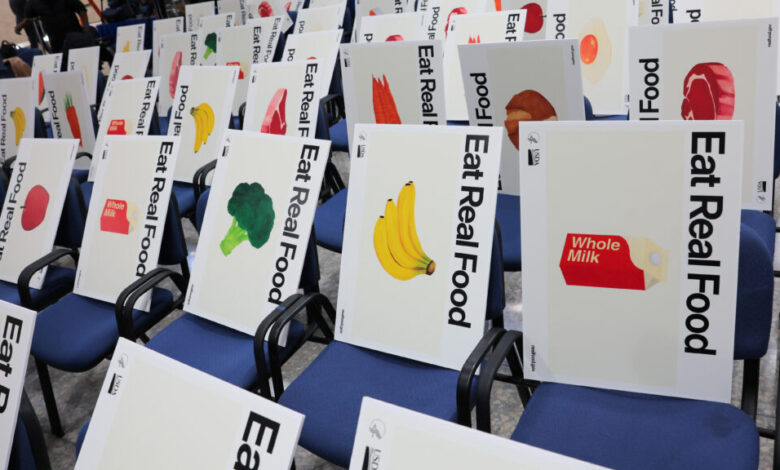
The credibility of the new U.S. food pyramid has been called into question, with mixed reviews coming from the government website dedicated to the pyramid. Kyle Diamantas, who heads the Human Foods Program at the Food and Drug Administration, recently announced the addition of a generative artificial intelligence tool to the government’s “transformational” realfood.gov site. This tool, labeled “Use AI to get real answers about real food,” aims to provide parents and consumers with quick and concise answers at the click of a button.
However, the use of AI in providing nutrition advice has raised concerns within the research community. While the tool, named Grok, acknowledges the importance of limiting added sugars and ultra-processed foods, it contradicts longstanding evidence on saturated fats and animal proteins. Alyssa Moran, a nutrition policy researcher and epidemiologist at the University of Pennsylvania, believes that while AI holds promise for tailored nutrition advice, more testing is needed before widespread public use.
The National Design Studio, responsible for the dietary guidelines website, has yet to respond to these concerns. The Grok tool on the website offers sample questions, all centered around the concept of “REAL FOOD.” However, some of the recommendations provided by Grok, such as those related to folic acid during pregnancy, may not align with medical recommendations, potentially perpetuating unfounded fears.
Despite the concerns surrounding the reliability of large language models, more Americans are turning to them for health-related questions. A recent study published in Nature Medicine emphasizes the impact of phrasing and emphasized information on the accuracy of chatbots’ responses. This highlights the importance of evaluating these tools in real-world settings rather than artificial environments.
While users may have varying experiences with the Grok tool, testing by the STAT newsroom revealed some interesting insights. When asked about the prominence of butter on the food pyramid, Grok advised against interpreting the visual hierarchy literally. Instead, Grok suggested a more intuitive approach, such as reverting to the MyPlate model.
In conclusion, the use of AI in nutrition advice poses both opportunities and challenges. As the debate continues, it is essential to ensure that these tools are thoroughly tested and aligned with established scientific evidence before widespread implementation. The Importance of Self-Care in a Stressful World
In today’s fast-paced and high-pressure society, it’s easy to get caught up in the hustle and bustle of everyday life. From work deadlines to family commitments, it can feel like there’s always something demanding our attention. In the midst of all this chaos, it’s important to remember the value of self-care.
Self-care is more than just pampering yourself with a spa day or indulging in a shopping spree. It’s about taking the time to prioritize your physical, mental, and emotional well-being in order to maintain a healthy balance in your life. In a world where stress and anxiety are all too common, self-care is essential for maintaining a sense of calm and peace.
One of the key benefits of self-care is its ability to reduce stress. When we take the time to relax and unwind, we give ourselves a break from the constant pressure of our daily lives. Whether it’s through meditation, exercise, or simply taking a walk in nature, self-care allows us to recharge and rejuvenate our minds and bodies.
In addition to reducing stress, self-care also has a positive impact on our mental health. By engaging in activities that bring us joy and fulfillment, we can boost our mood and increase our overall sense of well-being. Whether it’s reading a book, practicing a hobby, or spending time with loved ones, self-care helps us to connect with ourselves and others in a meaningful way.
Self-care is especially important for those who are juggling multiple responsibilities and commitments. It’s easy to get overwhelmed by the demands of work, family, and social obligations, but taking the time to care for ourselves allows us to better cope with the challenges we face. By prioritizing self-care, we can prevent burnout and maintain a healthy work-life balance.
Ultimately, self-care is about recognizing and honoring our own needs and boundaries. It’s about setting aside time for ourselves and making our well-being a priority. In a world that often glorifies busyness and productivity, self-care serves as a powerful reminder that our health and happiness are worth investing in.
So, the next time you’re feeling overwhelmed or stressed out, remember the importance of self-care. Take a step back, breathe deeply, and give yourself permission to rest and rejuvenate. Your mind, body, and spirit will thank you for it.