New guidelines call for stricter oversight of some stem cell-based research
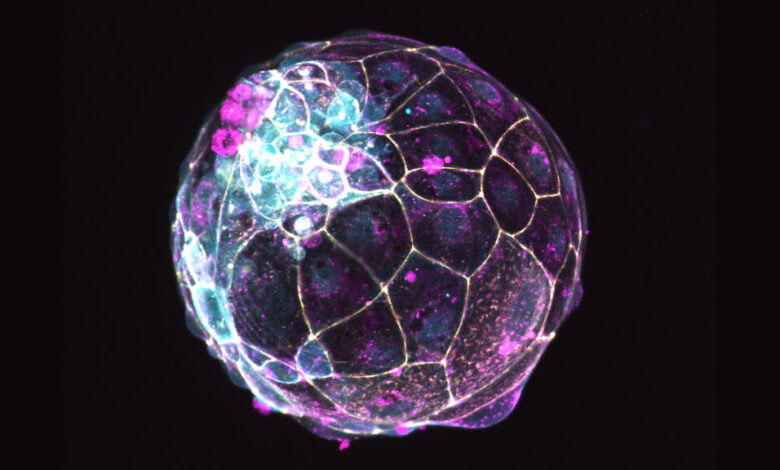
An influential scientific panel is urging caution when it comes to the use of stem cell-based embryo models. These models, which are created from stem cells and grown in the lab to mimic aspects of embryonic development, have sparked ethical concerns. The International Society for Stem Cell Research recently released new guidelines calling for stricter oversight of studies involving these models and establishing boundaries against certain activities.
The guidelines state that researchers should not use stem cell-based embryo models to attempt to start a pregnancy in a person or animal, or to grow them in an artificial womb to the point of viability. These experiments are deemed unethical and should be avoided. The restrictions also extend to commercial and reproductive purposes, highlighting the need for ethical considerations in this rapidly evolving field.
While current stem cell-based embryo models are still too rudimentary to reach full developmental milestones, the updated guidelines aim to address the ethical dilemmas arising from recent advancements in the field. These guidelines are crucial in ensuring that research involving stem cell-based embryo models remains ethical and responsible.
It is important for researchers to adhere to these guidelines and consider the ethical implications of their work. By implementing stricter oversight and setting clear boundaries, the scientific community can continue to make progress in stem cell research while upholding ethical standards. The field of stem cell-based embryo models holds great promise for understanding embryonic development and advancing medical research, but it is essential to proceed with caution and respect for ethical principles.