New heart disease guidelines suggest statins as early as age 30
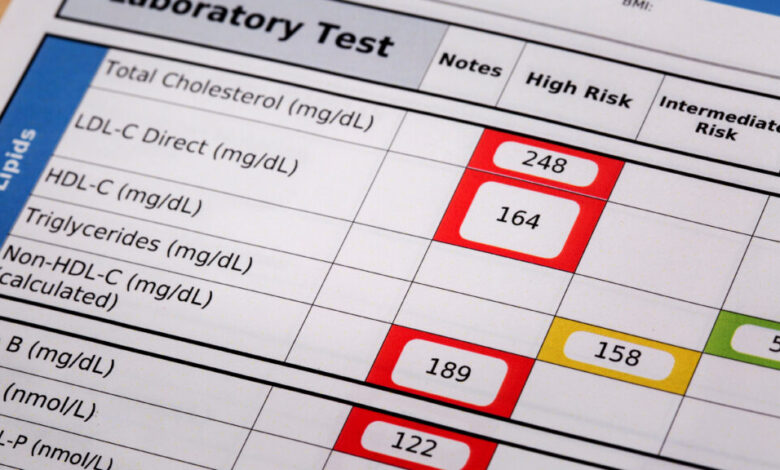
Medical experts have recently issued updated guidelines on cardiovascular disease prevention, recommending significant changes that affect individuals as young as 30 years old. The focus has shifted from just managing LDL cholesterol with statins to a more comprehensive approach to prevent and treat heart diseases caused by artery hardening and narrowing.
According to the latest recommendations from the American College of Cardiology, the American Heart Association, and other medical organizations, individuals with LDL cholesterol levels of 160 mg/dL or higher without existing heart disease should consider lifestyle changes or medication starting at age 30. This can progress to statin therapy or other drugs if there is a strong family history of heart disease or an elevated risk assessment for developing cardiovascular disease over the next 30 years. In cases where diet and exercise are insufficient to lower cholesterol levels, imaging calcium in coronary arteries can help assess the risk of heart attack or stroke before deciding on medication.
The new guidelines are based on a risk calculator released in November 2024, which is considered more reliable than previous equations. The calculator has raised concerns as it could potentially reduce the number of individuals eligible for statin therapy by up to 40%. However, the guidelines now embrace the new PREVENT equations, adjusting the threshold for treatment to clear fatty plaque from arteries. The optimal LDL levels have been lowered, and the criteria for prescribing lifestyle changes, medication, or both have also been adjusted downward.
The guidelines emphasize the importance of early recognition by looking at both 10-year and 30-year risk estimates. Risk categories based on plaque-lined arteries help determine treatment decisions, ranging from lifestyle modifications to the intensity of lipid-lowering therapy. Factors such as family history, inflammatory diseases, diabetes, and kidney disease, as well as markers like Lipoprotein(a) and Apolipoprotein B, influence risk calculations.
Statins remain a cornerstone of cardiovascular disease prevention, but the guidelines acknowledge that not all eligible individuals take them. The importance of statins in reducing the risk of heart attacks and strokes is highlighted, despite concerns about side effects such as muscle pain and increased blood sugar levels. Other cholesterol-lowering drugs like PCSK9 inhibitors are also mentioned as options for individuals with persistently high lipid levels.
In conclusion, the new guidelines provide a roadmap for identifying high-risk individuals earlier and managing them more effectively. While the focus remains on cholesterol management, the recommendations also consider other risk factors and treatment options to prevent cardiovascular diseases. By addressing risk factors early on and promoting healthy lifestyle habits, the guidelines aim to reduce the burden of preventable cardiovascular events.