New Trump-ordered immigration restrictions go into effect Jan. 1
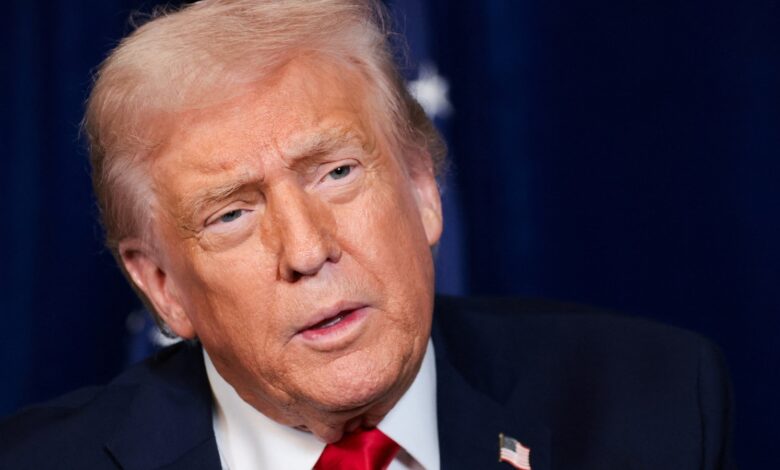
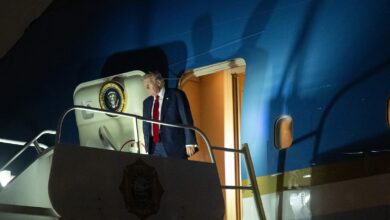
The United States has implemented travel restrictions for individuals from seven countries starting Thursday, as per updated CBP guidance obtained by ABC News. President Donald Trump signed executive orders earlier this year limiting travel from Burkina Faso, Laos, Mali, Niger, Sierra Leone, South Sudan, and Syria, with these restrictions now coming into effect on Jan. 1.
These restrictions apply to both immigrants and nonimmigrants, according to a CBO document dated Dec. 29. The White House states that these restrictions are for national security and public safety reasons, while immigrant advocates argue that the ban targets African and Muslim countries.
In addition to the seven countries mentioned, the travel ban also continues restrictions on individuals from Afghanistan, Burma (Myanmar), Chad, Republic of the Congo, Equatorial Guinea, Eritrea, Haiti, Iran, Libya, Somalia, Sudan, and Yemen from entering the United States. There are also partial travel restrictions on people from Venezuela and Cuba, as outlined in the document.
These new restrictions come amidst changes to the H-1B visa program that took effect earlier this week. The H-1B visa program allows employers to hire noncitizens with specialized skills or trades and was previously done somewhat randomly. The recent changes now prioritize individuals who would earn a higher wage through a weighted selection system.
According to U.S. Citizenship and Immigration Services spokesman Matthew Tragesser, the existing random selection process was being exploited by U.S. employers seeking to import foreign workers at lower wages than American workers. The new weighted selection aims to strengthen America’s competitiveness by incentivizing employers to petition for higher-paid, higher-skilled foreign workers.
Immigration attorney Rosanna Beradi believes that the changes will limit the number of applicants who qualify under the H-1B program, making it harder for international students to stay in the U.S. after graduation. This could exacerbate the brain drain phenomenon and prioritize high wage earners in the visa application process.
With 85,000 total H-1B visa applications, the new regulations aim to update the program to benefit American businesses while preventing abuse that harms American workers. The administration has been focusing on tightening visa restrictions for various countries, aligning with its broader immigration policy goals.