Nigel Farage urges Bank of England boss to stop UK bond sales
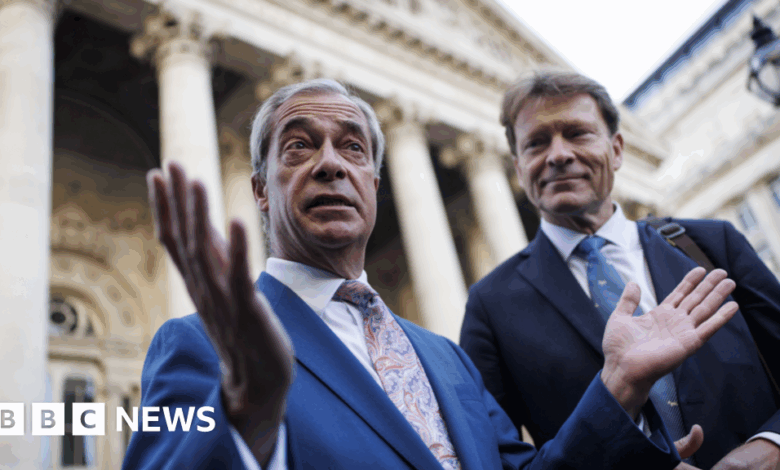
Nigel Farage, the leader of Reform UK, has intensified his campaign for the Bank of England to cease its bond-selling program, following his first official meeting with Governor Andrew Bailey. Reform UK asserts that the process, known as quantitative tightening, is burdening taxpayers with substantial losses and driving up government debt costs. Deputy leader Richard Tice, who also participated in the meeting, emphasized the importance of supporting Rachel Reeves ahead of her upcoming Budget in November.
During the meeting, Farage and Tice directly appealed to the Bank to reconsider its approach to cryptocurrencies, accusing it of hindering innovation in the sector. The party envisions making the UK a leading center for cryptocurrency advancement if it attains power, proposing a two-year trial program where designated financial institutions would be exempt from certain crypto regulations. Additionally, Reform aims to reduce capital gains tax rates on cryptocurrency sales and permit tax payments in Bitcoin and other approved digital currencies.
The Bank initiated its quantitative tightening initiative in 2022 to unwind the emergency measures implemented after the 2008 financial crisis. This involved the creation of billions of pounds to purchase UK government bonds through quantitative easing, aimed at stabilizing the economy by maintaining low market interest rates. Subsequent rounds of QE were implemented following the eurozone debt crisis, Brexit referendum, and the COVID-19 pandemic. Currently, the Bank is selling off these bonds at a loss, with the Treasury assuming the financial burden as per an agreement made in 2009.
Tice criticized the Bank’s handling of the process, labeling it a “systemic misuse of taxpayers’ money” in a letter to Bailey earlier this year. He also attributed the rising costs of long-term government debt to this strategy, which recently reached a 27-year peak. Following the meeting with Bailey, Tice urged MPs to engage more actively in discussions regarding the policy’s implications on taxation and government spending decisions, highlighting its significant financial impact.
Farage also raised concerns about the Bank’s approach to cryptocurrencies, expressing dissatisfaction with its regulatory stance on digital assets. Despite previous criticisms of the Bank’s officials as “dinosaur bureaucrats,” Farage acknowledged Bailey’s willingness to reconsider crypto regulations as a positive development. The Bank refrained from disclosing specifics of the meeting but confirmed that it was part of its ongoing engagement with political representatives.
In conclusion, Farage and Reform UK’s meeting with the Bank of England signifies a push for greater transparency and accountability in financial policies. The discussions surrounding quantitative tightening and cryptocurrency regulation underscore the party’s commitment to fostering innovation and efficiency in the UK’s financial landscape.