Nike warns of whopping $1B hit from tariffs — but shares jump
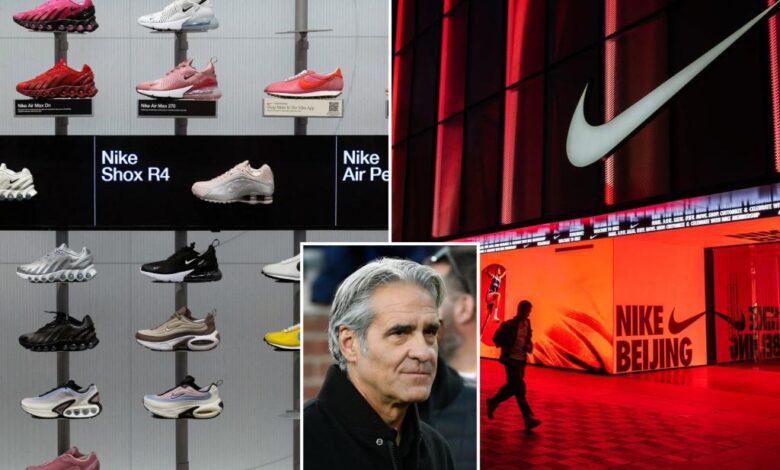
Nike announced its plans to reduce its reliance on production in China in response to the impact of US tariffs on imports. Despite the challenges posed by President Trump’s tariffs on key trading partners, Nike exceeded expectations for its fourth-quarter results, leading to an 11% increase in its shares during extended trading.
The company anticipates that Trump’s tariffs could result in an additional $1 billion in costs for Nike. However, the executives are committed to mitigating the financial impact, especially in the consumer goods sector, which is heavily affected by the tariff dispute between the US and China.
China, facing significant tariff increases from the US, currently contributes about 16% of Nike’s imported shoes. To address this issue, Nike plans to reduce this percentage to a “high single-digit percentage range” by shifting production to other countries by the end of May 2026.
According to Nike’s CFO, Matthew Friend, the company will optimize its sourcing mix and adjust production across different countries to offset the new cost challenges. In addition to these measures, Nike will assess corporate cost reductions and has already implemented price increases to counteract the impact of tariffs.
Nike’s forecast for first-quarter revenue predicts a mid-single-digit decline, which is slightly better than analysts’ expectations of a 7.3% decrease. This forecast reflects CEO Elliott Hill’s strategy to focus on product innovation and targeted marketing efforts in the sports sector.
Under Hill’s leadership, Nike has seen growth in the running category, with investments in popular running shoe models like Pegasus and Vomero. The company is also increasing marketing spending by 15% year-on-year to enhance its presence in the market.
Despite challenges in China and the impact of tariffs, Nike remains focused on its long-term growth strategy. The company’s commitment to product innovation, marketing, and strategic investments positions it well for future success in the competitive sportswear industry.