Nobel laureate Narges Mohammadi warns Iran is increasingly repressing its own citizens
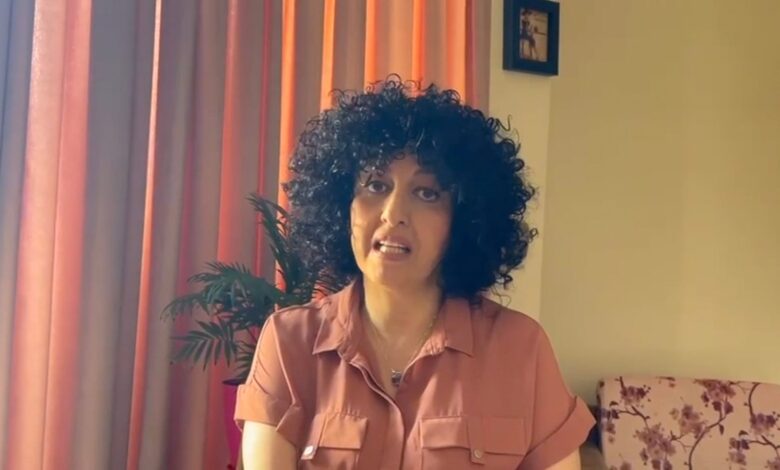
Narges Mohammadi, a prominent human rights advocate in Iran, has issued a stark warning about the Iranian government’s response to the recent conflict with Israel. In a video message to ABC News, Mohammadi expressed deep concerns about the regime’s crackdown on political and civil activists in the aftermath of the 12-day war.
Mohammadi, a Nobel Peace Prize laureate, highlighted a surge in executions and widespread arrests as evidence of the regime’s efforts to suppress dissent and instill fear among its own citizens. She emphasized that the regime is exploiting the conflict with Israel to deflect attention from its long-standing record of repression and failed policies.
According to Mohammadi, the current situation in Iran represents an escalation of the ongoing struggle between the government and the people. Despite the regime’s claims of victory over Israel, Mohammadi remains skeptical, arguing that war undermines the pursuit of human rights and democracy.
From her home in Tehran, Mohammadi defied a government order to return to Evin Prison after undergoing life-saving surgery. She described the conditions inside the notorious prison as highly securitized, with prisoners facing increased surveillance and restrictions following Israel’s missile strike on the facility.
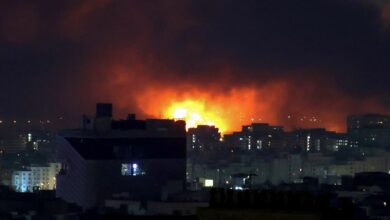
The attack on Evin Prison resulted in significant casualties, with at least 71 people reported dead. While condemning the strike, Mohammadi warned that the regime’s response poses an even greater threat to human rights. She expressed particular concern for the welfare of prisoners in Evin, noting the militarized transfers and heightened security measures implemented by authorities.
Despite facing multiple charges and a lengthy prison sentence, Mohammadi continues to advocate for human rights and democracy in Iran. She remains committed to exposing the regime’s repressive tactics and standing in solidarity with those who have been unjustly targeted.
As the Iranian government intensifies its crackdown on dissent, activists like Mohammadi play a crucial role in shedding light on human rights abuses and calling for accountability. The international community must heed their warnings and support efforts to uphold fundamental rights and freedoms in Iran. State media recently reported that a significant number of individuals have been relocated to various facilities, including Qarchak Prison and Greater Tehran Prison. This move has raised concerns among human rights activists, with Narges Mohammadi describing the situation inside both prisons as “extremely worrying.” She noted that the transferred inmates, who are referred to as “war-affected detainees,” are now facing severe repression.
According to a source close to the families of several political prisoners, conditions in Qarchak Prison have been described as unbearable and akin to torture. Overcrowding, lack of food and drinking water, poor sanitation, and limited access to basic necessities have been cited as major issues within the facility.
In a joint statement issued from Qarchak Prison, three political prisoners – Golrokh Iraee, Reyhaneh Ansari, and Varisheh Moradi – expressed solidarity with the people of Iran, acknowledging the suffering imposed on them by the authorities.
Narges Mohammadi has called for increased international scrutiny of Iran’s treatment of its citizens, emphasizing the need for human rights organizations to focus on the repression taking place in the country. She warned that the government’s crackdown on civil society, particularly young people and activists, is expected to intensify in the near future.
Despite facing pressure and harassment from authorities, Mohammadi remains steadfast in her activism, advocating for an end to the repressive regime in Iran. She has been targeted by financial authorities, who have issued an order to seize her Nobel Peace Prize award money, a tactic previously used against Nobel laureate Shirin Ebadi.
While Mohammadi opposes war, she is determined to continue her fight for freedom, democracy, and equality in Iran. She remains hopeful that one day democracy will be achieved, emphasizing that she will not back down until that goal is realized.