Nvidia looking to halt H20 chip production after China cracks down on purchases
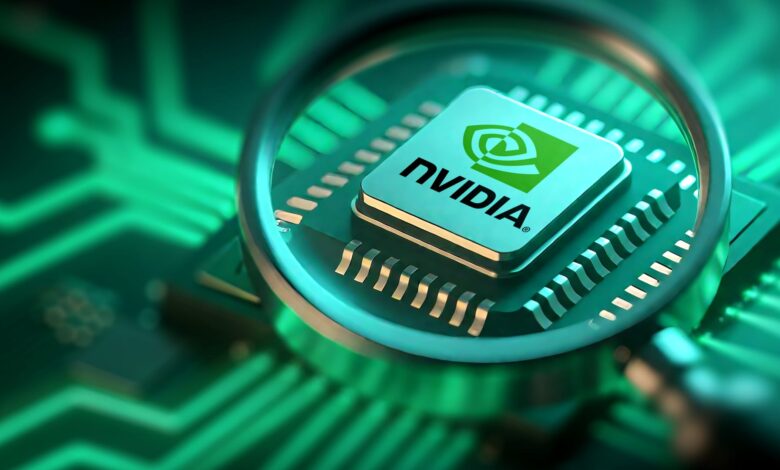
Nvidia is facing challenges in China as the government cracks down on the production of its H20 general processing units. The company has asked suppliers to stop production related to these chips due to alleged security concerns raised by Beijing. Nvidia has requested suppliers like Amkor Technology and Samsung Electronics to halt production, while also asking Foxconn to suspend work on the H20s. The company stated that they constantly manage their supply chain to address market conditions.
This development has cast doubt on the return of the H20 chips to the Chinese market, despite earlier plans to issue export licenses allowing their shipment to China. The Cyberspace Administration of China had previously summoned Nvidia over national security concerns regarding the H20s, expressing worries about potential tracking technology or “backdoors” in the chips.
Nvidia CEO Jensen Huang has reassured that the company has addressed Chinese government concerns about security vulnerabilities in the H20 chips. He mentioned ongoing discussions with Chinese officials to resolve the issue and emphasized that the H20 is not intended for military or government infrastructure use. Huang also highlighted the importance of U.S. chip exports for beneficial commercial purposes.
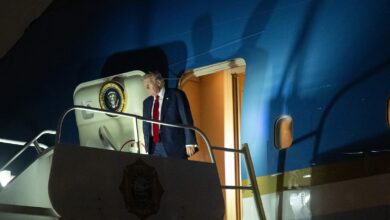
The recent directive from Beijing urging tech companies to refrain from using the H20 chips, especially for sensitive and government-related purposes, has impacted Nvidia’s business in China. Despite earlier efforts to secure sales of the H20 chips to China, the company now faces uncertainty in the Chinese market. President Donald Trump was briefed by Nvidia CEO Jensen Huang on the importance of the American AI tech stack in the company’s overseas business. Huang emphasized that AI developers, models, and applications supporting the American tech stack are crucial in the new industrial revolution.
He highlighted the significance of maximizing AI export technology, stating that the advancement of AI globally is inevitable. Nvidia faced challenges due to export restrictions, resulting in a $4.5 billion writedown on unsold inventory. The company also noted that sales would have been significantly higher without these restrictions.
The scrutiny faced by Nvidia’s H20 chips in China underscores the complexities of conducting business amidst trade uncertainties between the US and China. Analysts warned that a complete ban on H20 chips in China could jeopardize Nvidia’s annual sales of over $20 billion in the country.
Despite potential limitations, analysts believe that Nvidia could still capture revenue by selling less advanced chips in the market. However, demand may decrease as local supply capabilities in China strengthen over time.
Experts also suggested that Beijing’s actions reflect its commitment to chip self-sufficiency and resistance to the US government’s efforts to maintain dominance in AI hardware. The ongoing tensions between Washington and Beijing continue to impact Nvidia’s operations in the global market.