October 7 Series Is Harrowing
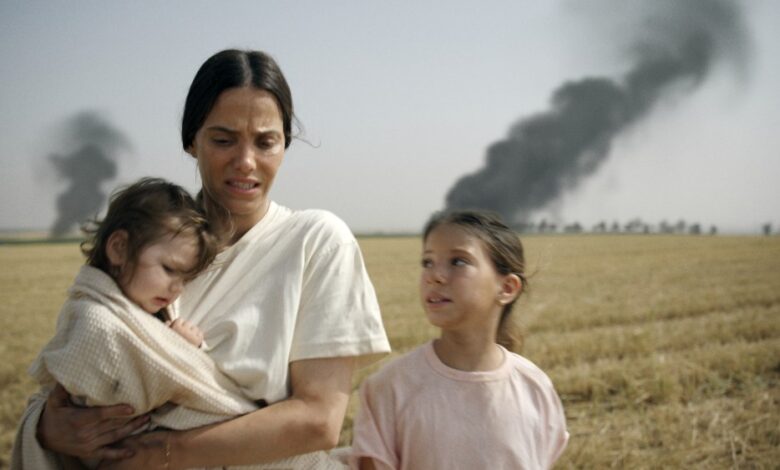
The four-part series “Red Alert” has garnered attention for its unique approach to storytelling, focusing on the personal experiences of ordinary individuals during a terror attack in southern Israel without delving into the broader context of the conflict. Created by Lior Chefetz, the show portrays the day of the attacks from the perspective of kibbutzniks, cops, and kindergarten teachers, offering a real-time glimpse into the horror and chaos they faced.
What sets “Red Alert” apart is not just its storytelling but the context surrounding its release. Acquired by Paramount Skydance and endorsed by CEO David Ellison, the series has drawn attention for its portrayal of the events of Oct. 7, 2023, amidst ongoing conflict and tension in the region. The decision to focus on the personal stories of individuals impacted by the attacks, rather than the political or military aspects, adds a unique and humanizing element to the narrative.
As viewers engage with “Red Alert,” they bring their own perspectives and knowledge of the conflict, adding layers of complexity to the viewing experience. The two-year anniversary of the attacks serves as a backdrop, highlighting the ongoing pain and suffering in the region. The show’s focus on individual stories allows for a deeper exploration of the human impact of conflict, shedding light on the resilience and courage of those caught in the crossfire.
While “Red Alert” steers clear of graphic depictions of violence, it does not shy away from the political implications of the events it portrays. By centering on the experiences of specific survivors, the show offers a glimpse into the heroism and sacrifice of ordinary people facing extraordinary circumstances. Through characters like Batsheva and Ohad Yahalomi, Kobi and Nofar, Tali, and Ayoub, “Red Alert” captures the emotional toll of the attacks while highlighting moments of bravery and compassion.
In a landscape where the Israeli-Palestinian conflict remains deeply divisive, “Red Alert” presents a nuanced and humanizing perspective on a complex and ongoing struggle. By focusing on the personal stories of those impacted by violence, the series invites viewers to empathize with the individuals behind the headlines, offering a glimpse into the resilience and humanity that endure in the face of tragedy. The opening scene of “Red Alert” introduces us to Ayoub, an agricultural worker cradling his motherless infant son amidst the chaos of a Hamas attack. The show emphasizes Ayoub’s struggle to obtain an Israeli ID despite his long-term residency, a detail that adds tension when IDF soldiers arrive and question his loyalty at gunpoint. However, they eventually accept his crumpled receipts and school report cards, highlighting the complexities of the situation.
The series excels in portraying the confusion and absurdity faced by the victims during the crisis. One poignant moment involves Israelis using a group chat selfie to prove their identity to soldiers, showcasing the difficulty in distinguishing between friend and foe. Another chilling encounter occurs when Batsheva and her daughters encounter English-speaking men who offer safety but then mysteriously disappear, leaving a sense of unease.
While “Red Alert” fictionalizes certain scenes, it draws on real-life events to enhance its emotional impact. The finale credits juxtapose actors with the real people they portray, some with pixelated faces for anonymity. The show tightly aligns itself with its source material, even incorporating actual footage from the events of Oct. 7. This choice, though controversial, underscores the show’s commitment to authenticity.
Despite its focus on the crisis at hand, “Red Alert” also hints at the broader world beyond its scope. The series will be available for streaming on Paramount+ on Oct. 7, offering viewers a glimpse into the complexities of life amidst conflict.