Oil falls as investors dismiss risk that Iran could disrupt supplies
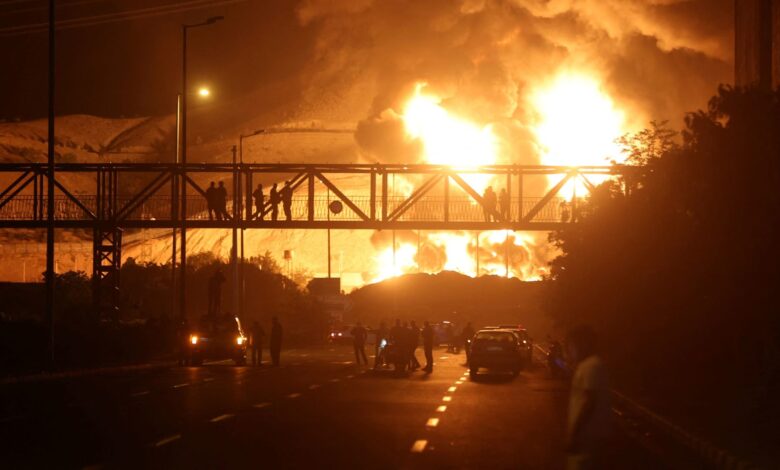
Oil prices saw a decline on Monday despite concerns about potential supply disruptions in the Middle East following a U.S. attack on Iran’s nuclear sites.
U.S. crude oil dropped by 0.6% to $73.40 per barrel, while Brent was down 0.51% at $76.62.
Market experts suggest that the current pricing reflects expectations of a gradual de-escalation of tensions in the region.
President Trump’s announcement of direct U.S. involvement in the Iran-Israel conflict has raised concerns about potential Iranian retaliation.
Investors are closely monitoring the situation, particularly the possibility of Iran closing the Strait of Hormuz, a key oil transit route.
Strait of Hormuz
The closure of the Strait of Hormuz by Iran, as reported in Iranian media, could have significant implications for global oil supply.
U.S. Secretary of State Marco Rubio has warned Iran against such actions, citing the economic repercussions for the country.
China, a major importer of Iranian oil, has been urged to intervene to prevent any potential disruptions in the strait.
The current geopolitical tensions could lead to further instability in the region and impact oil markets worldwide.
Regional tensions
Tensions have escalated not only in Iran but also in neighboring Iraq, posing additional challenges to the oil market.
The involvement of pro-Tehran militias in Iraq further complicates the situation and raises concerns about potential retaliatory actions.
Diplomatic efforts between Iran and Saudi Arabia could play a crucial role in mitigating the risk of supply disruptions.
The international community is closely monitoring the developments and stands ready to address any disruptions in the oil market.