Oil may keep rising despite the biggest release of emergency stockpiles
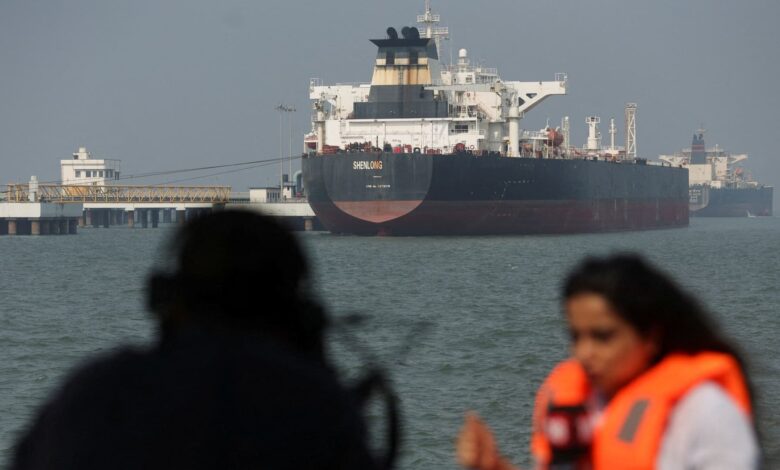
The recent events in the oil market have shown that the release of stockpiled oil by the U.S. and its allies is insufficient to address the supply disruption caused by the Iran war.
Despite efforts to flood the market with 400 million barrels of oil, prices have continued to surge, with Brent oil prices closing above $100.
This emergency release of oil is the largest in the history of the International Energy Agency, but it has not been able to stabilize the market.
The closure of critical transit routes like the Strait of Hormuz has severely impacted global supply, leading to continued price increases.
While the emergency stockpile release may provide some relief, it is unlikely to fully address the ongoing crisis in the oil market.

Brent crude oil futures in the past five days
The ongoing conflict in the Middle East has significantly disrupted oil supply routes, leading to a global energy crisis.
Experts warn that the emergency release of stockpiled oil may not be enough to stabilize prices or address the underlying issues causing the supply disruption.
With key transit routes closed and tensions escalating, the situation in the oil market remains precarious.
It is clear that more comprehensive solutions are needed to ensure energy security and stability in the face of ongoing geopolitical challenges.

The international community must work together to find sustainable solutions to the ongoing energy crisis and ensure stability in the oil market.
Addressing the root causes of supply disruptions and investing in alternative energy sources are crucial steps to building a more resilient energy system.
By prioritizing cooperation and innovation, we can navigate through the challenges posed by geopolitical conflicts and ensure a sustainable energy future for all.