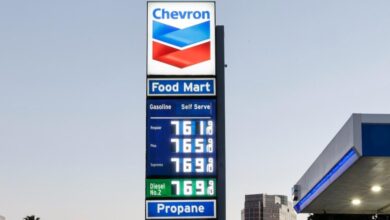
Oil prices rise sharply in market trading after U.S.-Iran attacks disrupt global supply
Oil prices surged on Sunday as news of U.S. and Israeli attacks on Iran and retaliatory strikes against U.S. military installations in the Gulf sent shockwaves through the global energy supply chain. Traders braced for potential disruptions in oil supply from Iran and other Middle Eastern countries, with fears that key export routes could be compromised. This anticipation of reduced supply led to a sharp increase in oil prices, with West Texas Intermediate selling for about $72 a barrel, up 8% from its Friday trading price of $67.
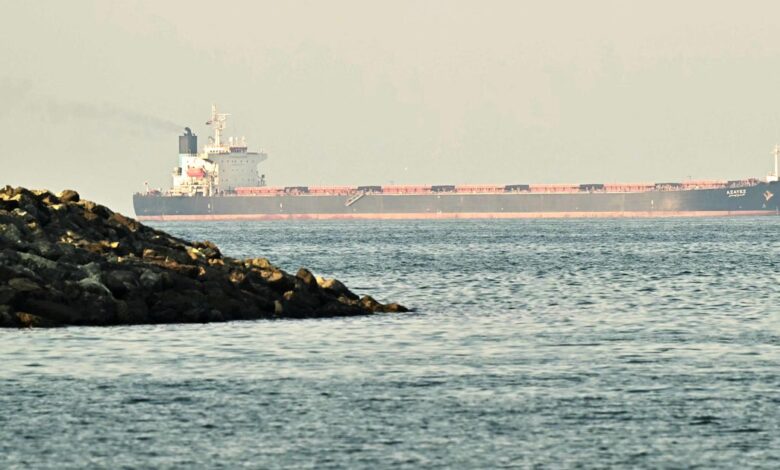
The Strait of Hormuz, a crucial passageway for oil shipments from Gulf states, saw heightened tensions as two vessels were attacked, further raising concerns about the stability of oil transportation in the region. With approximately 15 million barrels of crude oil passing through the strait daily, any disruption could have significant implications for global oil markets. Iran’s temporary closure of parts of the strait in February for military drills added to the uncertainty surrounding oil supply.
In response to the escalating situation, OPEC+ countries announced plans to increase crude oil production by 206,000 barrels per day in April. This decision aimed to alleviate concerns about potential supply shortages and stabilize oil markets. However, the focus remained on ensuring the smooth flow of oil through key export routes, such as the Strait of Hormuz.
Iran, a major oil exporter, could face challenges in maintaining its oil exports if disruptions in the region persist. The country primarily exports oil to China, which may need to seek alternative sources if Iran’s exports are affected. Despite the geopolitical tensions, analysts believe that blocking the Strait of Hormuz would be a self-destructive move for Iran, as it relies heavily on oil revenue for its economy.
As the situation unfolds, the global energy market remains on edge, with uncertainties about the future of oil supply and prices. Any further escalations in the region could have far-reaching consequences for energy markets worldwide. Stay tuned for updates on this developing story.