Oil prices surge as Strait of Hormuz tanker disruptions rattle global supply
Oil prices surged on Monday due to disruptions in tanker traffic through the critical chokepoint of the Strait of Hormuz, sparking concerns about the impact of potential U.S. and Israeli attacks on Iran on global oil supply. U.S. oil prices jumped by 8.40% to $72.63 per barrel, while Brent crude rose by 8.5% to $79.13 per barrel.
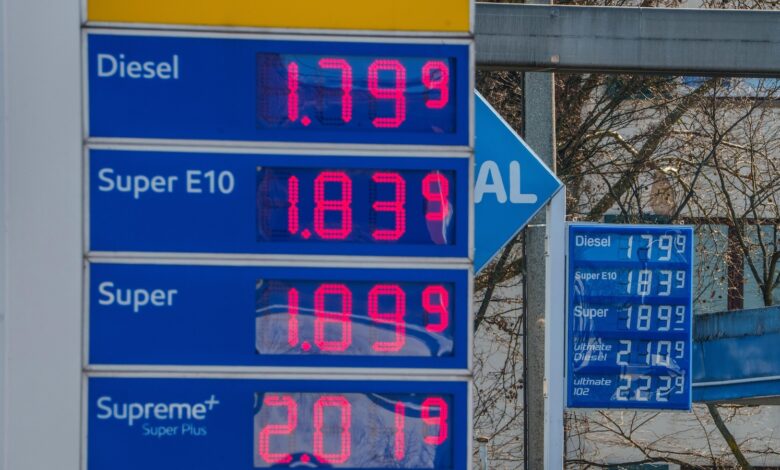
The increase in oil prices has raised fears of higher gasoline costs for American consumers and inflationary pressures on various goods. The focus has been on the strategic Strait of Hormuz, where 20% of the world’s oil supply passes through. Recent disruptions in tanker traffic and attacks on vessels in the area have heightened tensions, with a bomb-carrying drone boat striking an oil tanker in the Gulf of Oman, resulting in a fatality.
Iran’s threats to ships in the region have escalated, leading to heightened security measures by Saudi Arabia, which intercepted Iranian drones targeting the Ras Tanura oil refinery near Dammam. The refinery was temporarily shut down as a precautionary measure. The possibility of the conflict spreading to other oil-producing countries in the region has also been a cause for concern.
While there are pipelines bypassing the Strait of Hormuz, they lack the capacity to transport all the oil, making the strait a vital route for major oil-producing countries like Saudi Arabia, Iraq, and the United Arab Emirates. Analysts note that a complete blockade of the strait would also impact Iran, which relies on the passage for the majority of its oil exports.
The disruption in the supply chain has already led to QatarEnergy halting its production of liquefied natural gas, further adding to the uncertainty in global energy markets. The implications of the conflict on oil prices have significant ramifications for the global economy, particularly as the U.S. approaches midterm Congressional elections.
While short-term price spikes are expected due to the ongoing conflict, the long-term impact will depend on the duration of disruptions in the strait and potential damage to oil infrastructure in the region. Analysts anticipate a return to normal oil prices in the range of $65-$70 per barrel once the immediate crisis subsides.
The escalating tensions in the region have raised concerns about investor sentiment and market volatility, with oil prices likely to surpass $80 per barrel in the coming weeks. The uncertainty surrounding the conflict and its impact on global energy markets underscores the need for diplomatic efforts to de-escalate the situation and prevent further disruptions to oil supply chains.