Older Home Sellers Make Less Money. Here’s How to Fix That
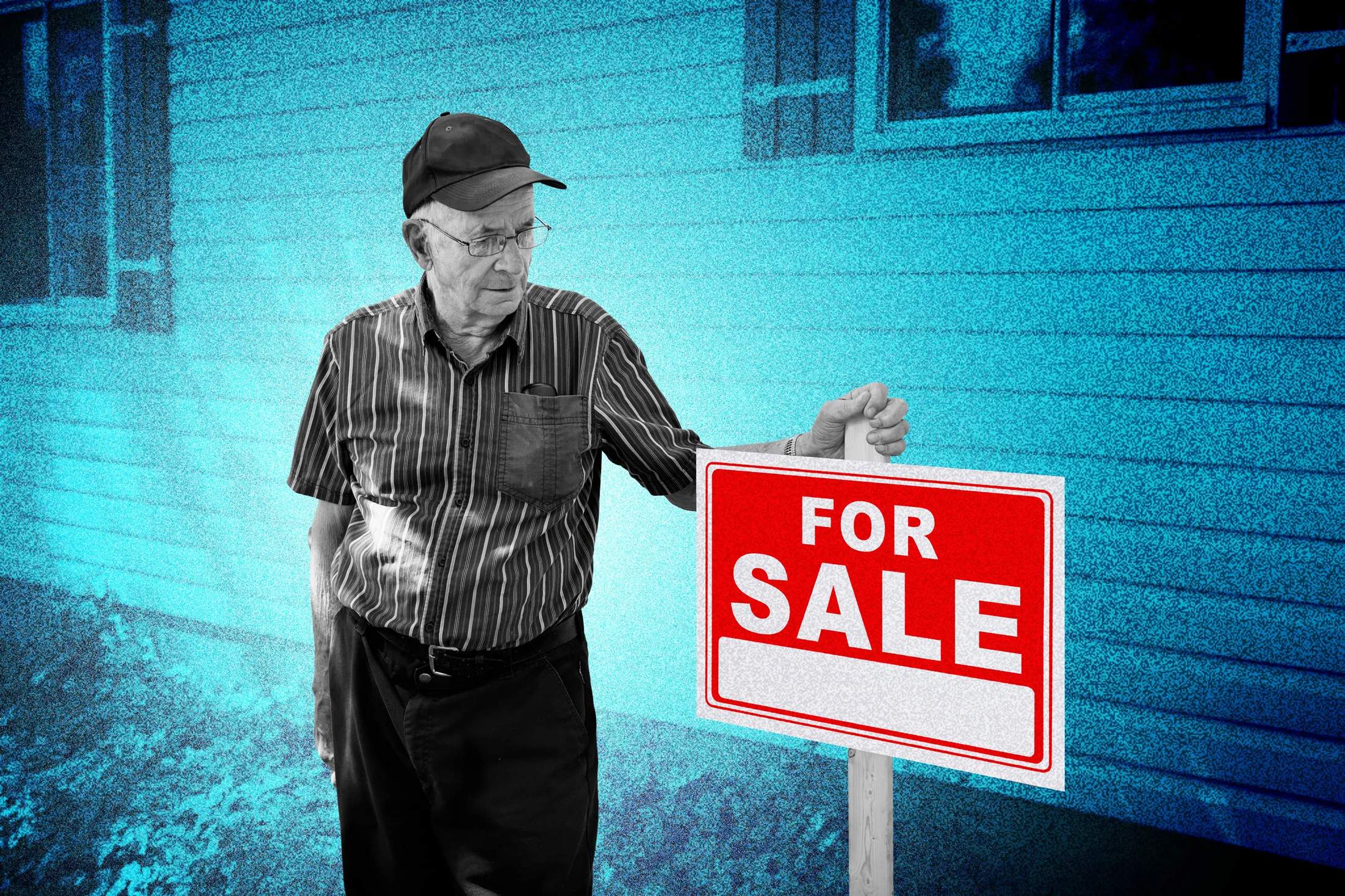
As we age, our homes become not just a place to live, but also a valuable asset that can provide significant wealth in later years. However, many older homeowners often end up leaving money on the table when they sell their homes. A recent brief published by the Center for Retirement Research at Boston College reveals that homeowners aged 70 or older sell their homes for 5% less than younger homeowners, resulting in a significant loss of return. For example, selling a $400,000 property could mean losing $20,000 due to the lower sales price.
The main reasons for this loss in value are lack of maintenance and how older owners choose to market their homes. Most buyers prefer move-in ready homes that require minimal additional work. However, properties owned by older homeowners often need more repairs and upgrades to suit younger buyers. This can lead to potential buyers asking for price concessions to offset the cost of a remodel. Additionally, older owners often choose to list their properties privately rather than on a multiple listing service, attracting investors who may offer lower prices.
To address these issues and maximize the return on a home sale, there are proactive steps that homeowners can take. Hiring an experienced realtor, especially one who is familiar with the challenges faced by older homeowners, can help navigate the real estate market and increase the chances of a higher return on the sale. Senior real estate specialists can also assist in coordinating cleaning and repair work, finding elder law attorneys, and connecting with financial experts to navigate the tax implications of the sale.
Decluttering and depersonalizing the home is essential to appeal to potential buyers. Removing clutter and personal belongings opens up spaces and allows buyers to visualize themselves living in the home. Keeping home decorations neutral and ensuring the home is thoroughly cleaned can also make a positive impression on buyers.
Making essential repairs and upgrades is another key step in maximizing the value of a home. Identifying necessary repairs and addressing them before they become major issues can prevent the home from losing value. High-value cosmetic changes, such as fresh paint and new kitchen fixtures, can add value without costly renovations. Improving the home’s curb appeal by maintaining the yard, refreshing flower beds, and adding exterior enhancements can also make a positive impression on buyers.
In conclusion, taking proactive steps to address maintenance issues, market the home effectively, and make necessary repairs and upgrades can help older homeowners maximize the return on their home sale. By following these tips, homeowners can ensure they get the most out of their valuable asset while also appealing to potential buyers in today’s competitive real estate market.