On Trump orders, U.S. to withdraw from WHO, leaves huge bill unpaid
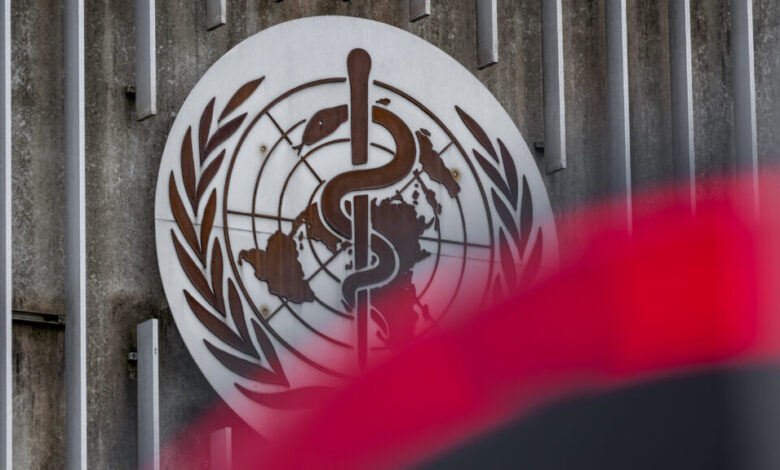
The United States’ withdrawal from the World Health Organization (WHO) will leave the global health agency with a significant unpaid bill. The U.S. has not paid its assessed contributions for the past two years, totaling roughly $278 million. Additionally, promised voluntary contributions for 2024 and 2025 have also not been delivered. Voluntary contributions are funds provided by a country to support specific programs within the WHO.
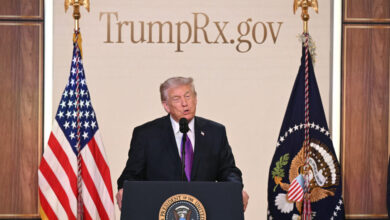
According to a congressional resolution dating back to 1948 when the U.S. joined the WHO, the country is required to pay a portion of its outstanding bill before leaving the organization. However, experts believe that the U.S. will not meet this condition due to President Trump’s negative views on the WHO and his history of unpaid bills.
Tom Bollyky, director of the global health program at the Council on Foreign Relations, stated that if anyone could block the U.S.’s withdrawal for failing to meet the conditions of the resolution, it would be Congress. However, with little support for the WHO among Republicans, there has been no action taken to hold the U.S. accountable for the unpaid dues.
The U.S. had committed to providing $490 million in voluntary contributions for 2024 and 2025 to support various WHO programs. While some of the 2024 contributions were reportedly paid, the exact amount remains unclear. The State Department has stated that the U.S. will not be making any payments to the WHO before its withdrawal on January 22, 2026.
The WHO’s constitution does not include an exit clause, but the U.S. has the right to withdraw with a year’s notice and settle its financial obligations. The WHO’s executive board will report on the withdrawal of the U.S. and Argentina to the World Health Assembly in May.
Director-General Tedros Adhanom Ghebreyesus has called the U.S.’s withdrawal a “lose-lose situation” that will impact global health security. However, efforts to get the U.S. to reconsider its withdrawal have been unsuccessful. The Trump administration’s decision to withdraw from the WHO was rescinded by the Biden administration in 2021, but the bill for 2024 was left unsettled, leading to the current situation. The World Health Organization (WHO) is facing a financial shortfall in 2024, with an estimated outstanding amount of approximately $130 million. This amount accounts for about 22% of the funding that the WHO had anticipated receiving in assessed contributions for the year. It is important to note that voluntary contributions from countries and organizations such as the Gates Foundation make up more than half of the agency’s annual budget.
It has been revealed that the United States has a history of paying its WHO bills late. Despite assessed contributions being due on January 1 of each year, the U.S. has typically sent payments for the previous year in the early part of the following year. As the deadline approached for the payment of the assessed contribution in 2024, it was known within the Biden administration that the bill had not yet been settled before the end of the Trump administration’s term.
Multiple sources have indicated that there was no specific reason or decision made not to pay the assessed contribution to the WHO. Rather, it was attributed to negligence and procrastination, with the payment being delayed until the new administration took office. Discussions regarding the outstanding payment reportedly reached the White House level, but there were challenges in securing the necessary funds to cover the dues owed to various international organizations.
Despite efforts from individuals within the Biden administration, including those at the Health and Human Services and National Security Council, there were obstacles from officials at the State Department who were hesitant to make the payment. Interagency debates ultimately led to the decision to delay the payment, highlighting the internal challenges faced in addressing the financial obligations to international organizations.
In conclusion, the financial shortfall facing the WHO in 2024 underscores the complexities and challenges involved in meeting assessed contributions and maintaining financial stability within international organizations. The issue highlights the need for effective financial management and coordination among government agencies to ensure timely payments and support for global health initiatives.