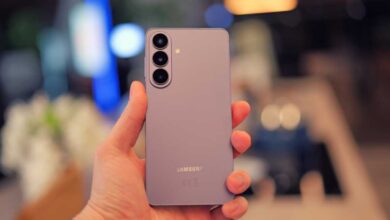
OnePlus 15 vs Pixel 10 Pro Review: Which Phone is Better?
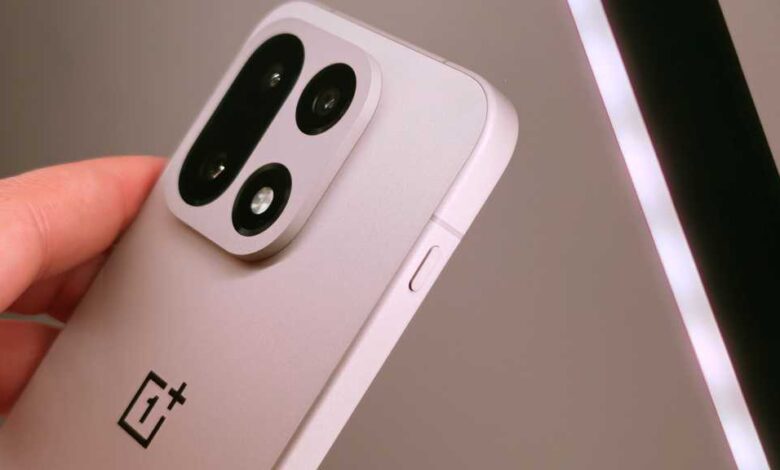
OnePlus has recently unveiled the OnePlus 15, a smartphone that aims to challenge the Google Pixel 10 Pro for the title of the ultimate Android device. The OnePlus 15 not only matches Google in terms of design but also offers some impressive specifications that are sure to catch the eye of tech enthusiasts.
One of the standout features of the OnePlus 15 is its gaming performance. Powered by the next-gen Snapdragon 8 Elite Gen 5 chip, the OnePlus 15 outperforms the Pixel 10 Pro in terms of raw power. With a 6.78-inch 165Hz OLED display and a “Military-grade Gyro” for precise gaming control, the OnePlus 15 is a gaming powerhouse.
When it comes to battery life, the OnePlus 15 once again takes the lead. Equipped with a massive 7300mAh Si-C battery, the OnePlus 15 offers exceptional battery life, lasting up to three days on a single charge. Additionally, the OnePlus 15 supports 120W wired charging and 50W wireless charging, making it a top choice for users who prioritize battery longevity.
In terms of software, the Pixel 10 Pro shines with its clean and smart Android 16 experience. Google’s stock Android offers a more intuitive and visually appealing interface compared to OnePlus’s OxygenOS. With seven years of ongoing support and exclusive features like Pixel Drops, the Pixel 10 Pro delivers a superior software experience.
For photography enthusiasts, the Pixel 10 Pro edges out the OnePlus 15 with its advanced camera system and AI image editing tools. While the OnePlus 15’s DetailMax Engine produces sharp images, the Pixel 10 Pro’s camera quality and processing algorithms set it apart as a top choice for capturing stunning photos.
In conclusion, the OnePlus 15 excels in performance and battery life, making it a great value for money option. However, the Pixel 10 Pro offers a superior software experience and camera system, making it a compelling choice for users who prioritize these features. Ultimately, the decision between the OnePlus 15 and Pixel 10 Pro will depend on individual preferences and priorities.