Organ transplant technology is advancing rapidly. So are the costs
Elizabeth Cooney, a cardiovascular disease reporter at STAT, delves into the intricate process of organ donation and the groundbreaking advancements that are revolutionizing the field.
When a loved one expresses their desire to become an organ donor, the journey towards organ donation begins. After the family bids their final goodbyes and death is declared, surgeons step in to recover the organs that will offer a second chance at life to those in need on transplant waitlists.
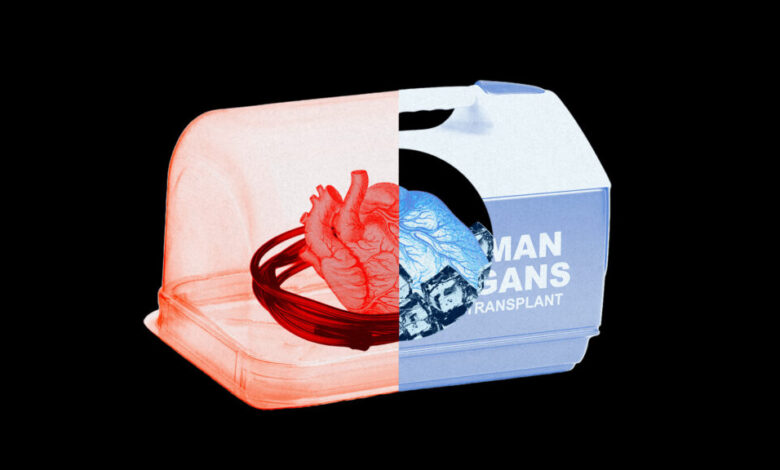
Traditionally, the image of organs being transported in an Igloo cooler via helicopter comes to mind. However, recent innovations in warm and cold perfusion technologies have reshaped this landscape. These advancements aim to preserve organs and extend their viability, ultimately maximizing the number of organs available for transplantation.
Perfusion technologies involve the continuous flow of vital fluids and nutrients through the organs, either before or after removal, to prevent deterioration. By maintaining optimal conditions for the organs, such as inflated lungs with adjustments for air pressure changes during transport, the window of opportunity for successful transplants is extended.
One of the key benefits of these new methods is the ability to schedule transplant surgeries more efficiently. Organs can be kept stable in a perfusion box, eliminating the need to discard organs that may deteriorate rapidly under traditional circumstances. This not only streamlines the transplant process but also reduces the time patients spend waiting for life-saving procedures.
The ethical implications of these advancements are profound, as they challenge traditional norms surrounding organ donation. By pushing the boundaries of when and how organ retrieval can begin, medical professionals are paving the way for a more efficient and effective organ transplant system.
In conclusion, the intersection of technology and ethics in organ donation is propelling the field towards a future where more lives can be saved through transplantation. As these innovative methods continue to evolve, the potential for reducing wait times and increasing the success rates of organ transplants becomes increasingly promising.