Paramount to Pay Trump $16 Million to Settle ’60 Minutes’ Lawsuit
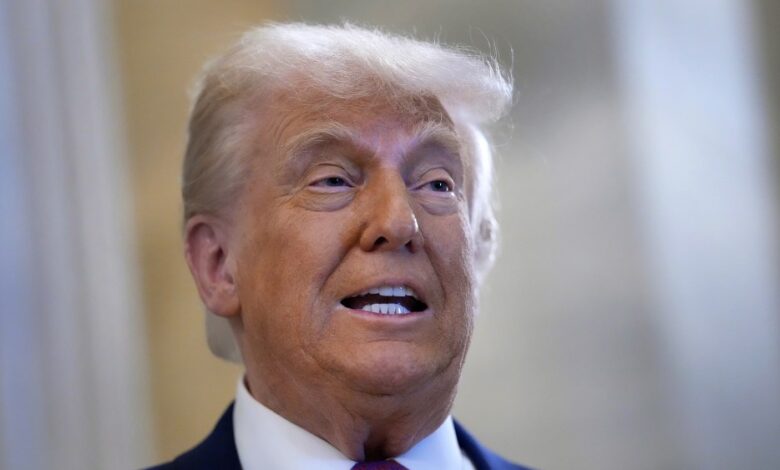
Paramount Global has made headlines with its decision to pay President Donald Trump $16 million to settle a lawsuit related to a controversial episode of “60 Minutes.” The settlement, while a significant sum, is seen as a strategic move by Paramount to protect its interests and facilitate a planned deal with Skydance Media. However, the decision has also raised concerns about the potential impact on the reputation of one of the media giant’s most iconic brands.
The lawsuit in question stemmed from a 2024 interview on “60 Minutes” between correspondent Bill Whitaker and then-presidential candidate Kamala Harris. President Trump alleged that the interview was deceptively edited and aired in a way that was misleading to viewers. Despite legal experts suggesting that Trump’s case was weak, Paramount opted to settle the lawsuit to avoid prolonged legal battles and potential damage to its image.
The settlement, which does not include an apology or admission of wrongdoing, has been met with mixed reactions. While some see it as a necessary step to move forward, others within CBS News, particularly at “60 Minutes,” have expressed disappointment and frustration. The departure of key figures within the news division, including the executive producer of “60 Minutes” and the CBS executive overseeing national news, further underscores the internal turmoil caused by the settlement.
President Trump’s legal team has hailed the settlement as a victory, framing it as a triumph over what they perceive as biased and false reporting by the media. The agreement stipulates that the settlement funds will go towards Trump’s presidential library and that “60 Minutes” will release transcripts of future interviews with eligible U.S. presidential candidates.
This settlement is not an isolated incident, as other media companies have faced similar legal pressures from Trump. Disney, for example, paid a $15 million settlement to Trump’s presidential library following a misstatement made on air by one of its anchors. The settlement with Paramount may embolden Trump to pursue further litigation against media outlets he deems unfavorable.
As the fallout from this settlement continues to unfold, the media industry is left grappling with the implications of caving to legal threats from powerful figures. The case serves as a stark reminder of the challenges faced by journalists and news organizations in an increasingly contentious and litigious media landscape. The Des Moines Register is standing firm in its defense against President Trump’s legal actions, asserting that it will continue to resist his “litigation gamesmanship” and is confident in its ability to defend its First Amendment rights. This comes after Trump filed a lawsuit just days before the 2024 presidential election, alleging that CBS’s “60 Minutes” interview with then-Vice President Kamala Harris had violated a Texas consumer protection law by misleading voters.
Initially seeking $10 billion in damages, Trump later increased the claim to $20 billion, stating that the editing of the interview made Harris appear “more presidential” and calling it the “biggest Broadcasting SCANDAL in History!!!” Paramount and CBS, however, have maintained that they did nothing wrong, with Paramount calling the legal action an “affront to the First Amendment” and without basis in law or fact.
In response to the lawsuit, CBS News president Wendy McMahon announced her resignation, citing a disagreement with the company on the path forward. This departure, along with the resignation of “60 Minutes” executive producer Bill Owens, has been attributed to conflicts with Paramount executives, who have been closely monitoring CBS News operations amid the legal battle with Trump.
The $8 billion Paramount-Skydance deal, announced in July 2024, is currently pending FCC approval. While Trump-appointed FCC chairman Brendan Carr has stated that the agency’s approval of the deal is not connected to the lawsuit, Trump has insinuated otherwise, claiming that CBS’s editing of the Harris interview led to confusion and mental anguish among consumers.
Despite Trump’s claims, CBS News made public an unedited transcript of the interview, showing that the broadcast was not doctored or deceitful. In response to the lawsuit, Paramount and CBS have argued that the content of the interview did not constitute commercial speech and therefore did not warrant liability under the First Amendment.
As the legal battle continues, Trump remains vocal about his lawsuit on his Truth Social media account, falsely claiming victory and alleging that CBS and “60 Minutes” admitted to deceptive editing practices. The outcome of the lawsuit and its implications on the media landscape remain uncertain as Paramount, CBS, and Trump navigate the complexities of the legal system. In response to the controversy surrounding the editing of Vice President Harris’ interview on “60 Minutes,” CBS News issued a statement emphasizing that each excerpt reflected the substance of her answer. The network defended its editing choices by stating that the essence of Harris’ response was accurately portrayed in the final broadcast.
The exchange in question, as released by CBS, featured Harris discussing the United States’ relationship with Israeli Prime Minister Netanyahu. When asked about Netanyahu’s response to the administration’s entreaties, Harris highlighted the positive movements in the region that were a result of their advocacy. She reaffirmed the administration’s commitment to pursuing what is necessary for the United States to take a clear stance on ending the war.
However, Trump’s lawsuit takes issue with the editing of the interview, claiming that the context was altered to misrepresent Harris’ response. The lawsuit specifically points to the omission of certain statements made by Harris during the interview, arguing that it skewed the overall message conveyed.
On “Face the Nation,” the exchange was further condensed, focusing solely on Netanyahu’s perceived lack of responsiveness. This edited version trimmed down the dialogue to a more concise exchange between Whitaker and Harris, omitting some of the context provided by Harris in the original interview.
Similarly, the “60 Minutes” segment aired with another edited version of the interaction, further simplifying the exchange to highlight Harris’ commitment to pursuing the United States’ stance on ending the war. This editing choice, while streamlining the conversation, also removed some of the nuanced details provided by Harris in the original exchange.
The controversy surrounding the editing of Vice President Harris’ interview underscores the importance of accurate representation in media coverage. While editing is a standard practice in journalism, maintaining the integrity of the interviewee’s responses is crucial to ensuring a fair and balanced portrayal of their views.
As the lawsuit progresses, it will be interesting to see how CBS News responds to the allegations of misrepresentation. In the meantime, the network stands by its editing choices, maintaining that the essence of Harris’ responses was accurately conveyed in the final broadcast.