Particle pollution from wildfire smoke tied to 24,100 U.S. deaths annually
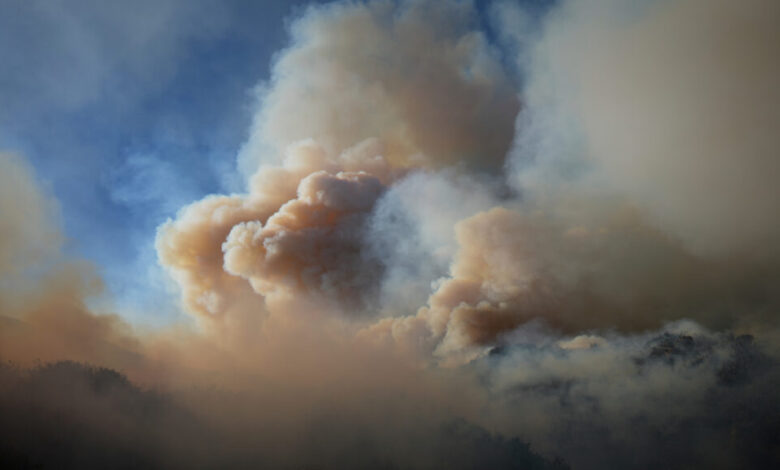
The dangers of chronic exposure to pollution from wildfires in the United States have been highlighted in a recent study published in the journal Science Advances. The study revealed that between 2006 and 2020, an average of 24,100 deaths per year in the lower 48 states were attributed to long-term exposure to fine particulates from wildfire smoke.
Yaguang Wei, an assistant professor at the Icahn School of Medicine at Mount Sinai and one of the study authors, emphasized the increasing threat that wildfire smoke poses to human health. He stated, “Our message is: Wildfire smoke is very dangerous. It is an increasing threat to human health.”
Experts in the field, including Michael Jerrett from the University of California, Los Angeles, expressed agreement with the study’s findings, noting the importance of multiple studies to confirm these outcomes.
The study focused on the impact of fine particulate matter, specifically PM2.5, from wildfire smoke on human health. These tiny particles can penetrate deep into the lungs and bloodstream, leading to a range of respiratory, cardiovascular, neurological diseases, and even premature death.
Min Zhang, a postdoctoral student at the Icahn School and study author, highlighted the significant health hazards posed by wildfire smoke PM2.5, noting its correlation with the increasing frequency and intensity of wildfires due to climate change.
The researchers analyzed the association between annual average exposure to PM2.5 from wildfire smoke and deaths across various counties in the US. They found a significant increase in deaths related to circulatory, neurological, respiratory diseases, and other specific health conditions with higher exposure to these particulates.
Moreover, the study revealed that the impact of particulate exposure on death rates varied by season and demographics, with a stronger association during cooler periods and vulnerability observed in rural areas and younger communities.
Despite the study’s comprehensive approach, limitations such as dynamic nature of wildfire smoke exposure and unaccounted factors like smoking habits were noted. The authors emphasized the need for effective mitigation strategies and regulatory measures to address the deadly threat posed by PM2.5 from wildfires.
In conclusion, the study underscores the urgent need for action to control wildfire-sourced PM2.5 and mitigate the health risks associated with exposure to wildfire smoke. The findings call for increased monitoring and regulation by the Environmental Protection Agency to protect public health from the growing impact of wildfires on air quality.