Person in NJ develops malaria without traveling outside U.S.
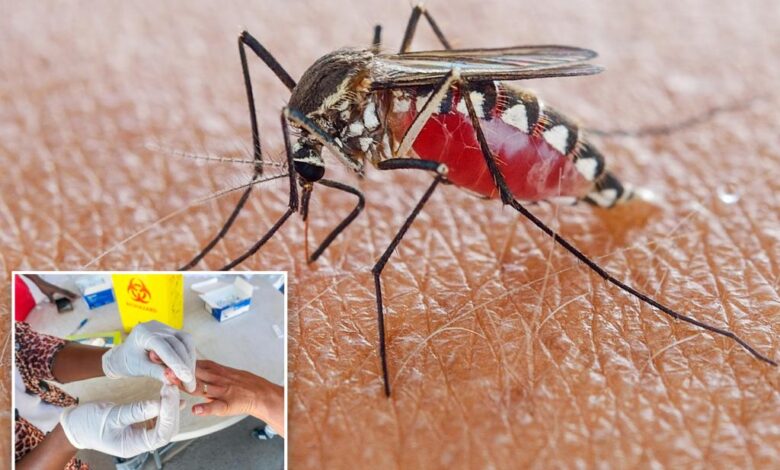
New Jersey is facing a potential case of malaria, which would be the first in over 30 years, and surprisingly, it originated from a local mosquito rather than one found in tropical regions, as per officials. The infected individual resides in Morris County, and what makes this case even more intriguing is that the patient has not traveled outside the U.S., raising questions about how he contracted the mosquito-borne disease locally.
The Acting Health Commissioner, Jeff Brown, emphasized the importance of taking precautions to prevent locally acquired malaria in New Jersey, stating that while the risk to the general public is low, it is crucial to prevent mosquito bites and ensure early diagnosis and treatment for returning travelers. Symptoms of malaria include fever, chills, headache, muscle aches, fatigue, vomiting, and diarrhea, with onset occurring up to a month after exposure.
Typically, New Jersey sees around 100 travel-associated cases of malaria each year, with locally acquired cases occurring when a mosquito bites an individual infected with travel-associated malaria and then bites another person, transmitting the infection. Although the Anopheles species of mosquito, responsible for transmitting malaria, are present in the tri-state area, the risk of locally acquired malaria remains low.
In New York state, excluding New York City, there have been 31 cases of malaria reported this year, all acquired elsewhere. The last case of locally acquired malaria in New York City dates back to 1993. The impact of COVID travel restrictions in 2020 resulted in only 58 malaria cases, compared to 346 cases reported in NYC two years prior, coinciding with a significant influx of new immigrant arrivals.
Although malaria can be treated with prescription antimalarial drugs, it can be life-threatening if not promptly diagnosed and treated. While most cases of malaria occur in Sub-Saharan Africa, the disease can also be acquired in various regions worldwide, including parts of Mexico, the Caribbean, Central and South America, Asia, and Oceania.