Pixel 10 Gets Qi2: What it Tells Us about the Future of Smartphones
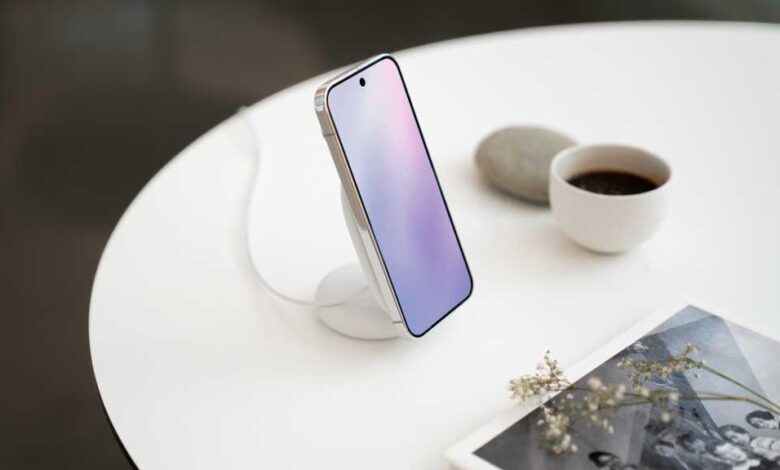
Google has made a groundbreaking announcement with the unveiling of the new Pixel 10 series, which will be the first major Android handsets to feature Qi2 wireless charging technology. This move marks a significant shift in the smartphone industry, as until now, only a few devices like the HMD Skyline and OnePlus 13 supported Qi2, and that too with the use of additional cases.
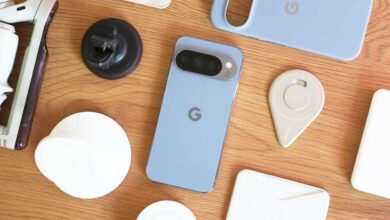
The introduction of Pixelsnap, Google’s version of the technology, brings with it a host of possibilities and implications for Android phones and the market as a whole. Similar to Apple’s MagSafe system, Pixelsnap incorporates a ring of magnets that allow for seamless attachment to wireless chargers and accessories, eliminating the need to find the perfect charging position.
One of the most immediate effects of Pixelsnap’s introduction is the anticipated increase in Android phones with built-in Qi2 support. With Google setting the standard, other smartphone manufacturers like Samsung, OnePlus, Xiaomi, Oppo, and Honor are likely to follow suit in their upcoming flagship devices, ensuring that Qi2 becomes a standard feature in Android handsets.
Furthermore, the third-party accessory market for Qi2 is expected to see a significant surge in offerings. Just as MagSafe accessories have become popular for iPhones, dedicated Pixelsnap accessories are likely to flood the market, providing users with a wide range of options for customization and functionality. This expansion may also lead to increased competition and innovation in the accessory market.
However, the influx of accessories could potentially overwhelm consumers and make it challenging to choose the right product. While official accessories from phone manufacturers are a safe choice, third-party accessories may offer unique designs and features that appeal to users. It is essential for consumers to be aware of the differences between MagSafe, Pixelsnap, and Qi2 accessories to make informed purchasing decisions.
Looking ahead, the integration of Qi2 technology in smartphones could pave the way for a portless future, where wireless charging becomes the primary method of powering devices. While wired charging still offers faster speeds, advancements in wireless charging technology could eventually bridge the gap and make portless smartphones a reality.
In conclusion, Google’s decision to incorporate Qi2 wireless charging in the Pixel 10 series represents a significant step towards a wireless charging-dominated future. This move has the potential to revolutionize the smartphone industry and drive innovation in accessories and device design. Stay updated on the latest news and developments surrounding the Pixel 10 phones in our dedicated 2025 Google Event hub.