Pledge to protect UK firms from cheap imports
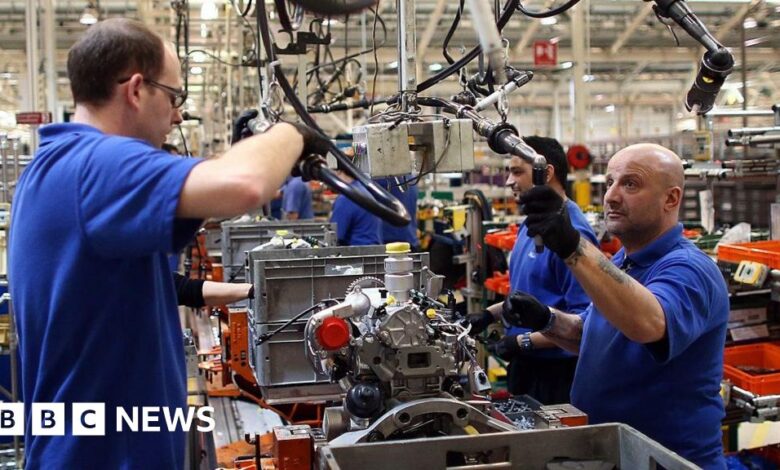
The UK government has recently revealed a comprehensive plan for trade to boost exports and safeguard domestic businesses amidst the uncertain economic climate caused by US tariffs. The aim of this strategy is to eliminate barriers for UK businesses looking to sell goods internationally, while also strengthening trade defences to prevent cheap imports from undermining local companies.
One of the key concerns is the potential redirection of cars and steel originally intended for the US market to the UK due to President Donald Trump’s tariffs, which have raised costs for selling in America. Business Secretary Jonathan Reynolds emphasized that the UK’s plan is designed to shield British businesses from any detrimental effects.
The trade strategy encompasses both offensive and defensive measures. On the offensive front, there will be increased government financial support for exporters, with UK Export Finance receiving an additional £20 billion in capacity. This funding boost will enable exporters to navigate complex trade regulations more effectively.
However, the defensive aspect of the plan is crucial, especially for industries like steel and automobiles. Safeguards against cheap steel imports are set to expire in 2026, prompting the government to seek input from steel producers through a call for evidence. Unlike the EU, the UK has refrained from imposing high tariffs on Chinese-made electric vehicles, posing a competitive challenge for local sellers.
To further protect domestic industries, the Cabinet Office is urging government departments to prioritize UK-made steel for public projects, even if it comes at a higher cost than imported steel.
The trade strategy was unveiled following the government’s 10-year industrial strategy, which includes initiatives to reduce energy costs for businesses by exempting them from certain green energy taxes. At the British Chambers of Commerce conference in London, the focus is on stimulating economic growth and reassuring businesses that the government is supportive.
Amidst discussions on trade, the government is emphasizing efforts to enhance exports of services, pointing to recent achievements such as a free trade agreement with India and improved trading relations with the EU and the US. However, challenges remain, particularly concerning the impact of US tariffs on industries like bioethanol.
Critics have raised concerns about the “de minimis” rule, which allows low-value packages to enter the UK tax-free, potentially disadvantaging British businesses. The Liberal Democrats have called for a closer UK-EU customs union to bolster the economy, while the Conservative shadow business secretary emphasized the importance of tangible actions in trade deals.
Overall, the UK government’s trade strategy aims to navigate the complexities of global trade, protect domestic industries, and foster economic growth in the face of evolving challenges and opportunities.