Popular vape flavors found to boost nicotine reward in adolescent mice
A recent study conducted by researchers at the Marshall University Joan C. Edwards School of Medicine has shed light on the potential impact of flavor additives commonly used in e-cigarettes on adolescent vaping behavior. The study, published in the Journal of Pharmacology and Experimental Therapeutics, found that certain popular flavorings, such as vanilla and cherry, may increase the likelihood of vaping behavior in adolescents, even in the absence of nicotine.
Using a preclinical model, the researchers tested the effects of flavored vapor on male and female adolescent mice. The study utilized the e-Vape self-administration (EVSA) assay, which allows mice to voluntarily inhale flavored aerosols. Interestingly, mice exposed to vanillin or benzaldehyde exhibited significantly more active responses compared to controls, despite the absence of nicotine in the vapor.
Of particular concern were four flavor-nicotine combinations that showed increased reinforcement-related behaviors: nicotine with menthol, cherry, or vanilla, as well as vanilla flavor alone. Surprisingly, even in the absence of nicotine, vanilla-flavored vapor alone was enough to trigger behavior indicative of reward-seeking, while cherry flavor alone did not have the same effect.
Lead investigator Brandon J. Henderson, Ph.D., associate professor of biomedical sciences at the Joan C. Edwards School of Medicine, highlighted the significance of these findings. He noted that certain electronic nicotine delivery system (ENDS) flavors can impact the brain’s dopamine system, specifically in the nucleus accumbens, a key reward center, even in the absence of nicotine. This raises concerns about the potential for addiction-like behaviors in adolescents who use flavored vape products marketed as nicotine-free.
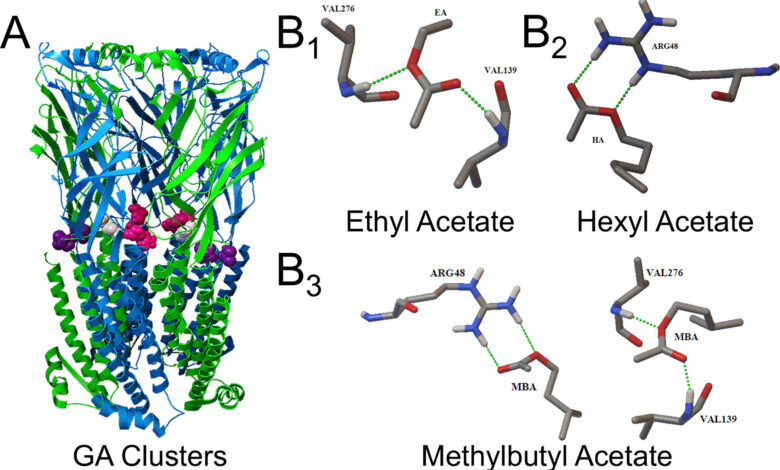
The study also delved into the molecular interactions of these flavor chemicals, revealing that green apple and vanilla compounds can affect nicotinic acetylcholine receptor (nAChR) function, proteins known to be central to nicotine addiction. These findings contribute to a growing body of research suggesting that flavorings can alter the brain’s response to nicotine, potentially increasing dependence, particularly among youth.
In addition to Henderson, the study’s co-authors include medical students and Ph.D. students from Marshall University. The research underscores the need for further exploration of the impact of flavor additives in e-cigarettes on adolescent vaping behavior and nicotine dependence.
For more information on the study, readers can refer to the original publication in The Journal of Pharmacology and Experimental Therapeutics. The research is a critical step in understanding the potential risks associated with flavored e-cigarette products, particularly for vulnerable populations like adolescents.