Powell confirms that the Fed would have cut by now were it not for tariffs
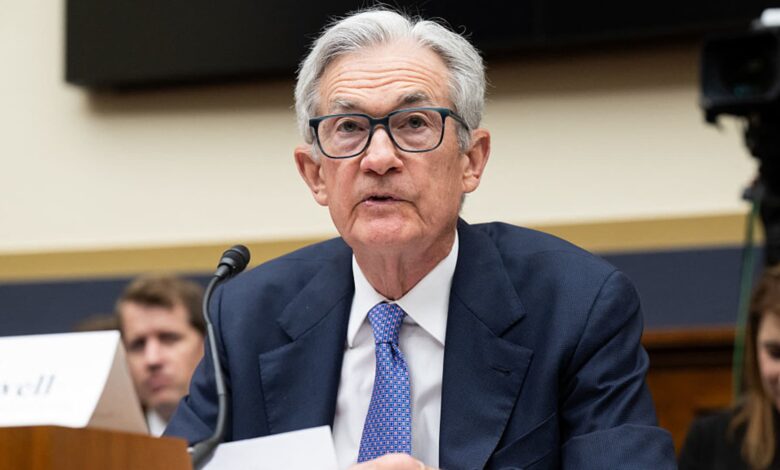
Federal Reserve Chair Jerome Powell recently made a significant statement regarding the U.S. central bank’s monetary policy. During a panel discussion, Powell mentioned that the Fed would have already eased monetary policy if it weren’t for President Donald Trump’s tariff plan. This revelation sheds light on the impact of Trump’s trade policies on the Fed’s decision-making process.
Powell explained that the Fed decided to put a hold on lowering rates after Trump announced his plan to impose higher tariffs on imported goods. The tariffs led to an increase in inflation forecasts for the United States, prompting the Fed to adopt a cautious approach. Despite pressure from the White House, the Fed has maintained its current interest rates, with the key borrowing rate remaining steady between 4.25% and 4.5%.
While the Fed’s projections suggest the possibility of two rate cuts by the end of 2025, Powell emphasized the importance of monitoring data before making any decisions. He indicated that the Fed is taking a meeting-by-meeting approach and remains open to adjusting its policies based on evolving economic conditions.
The Fed’s stance on interest rates has drawn criticism from President Trump, who publicly criticized Powell for not lowering borrowing costs. Trump’s comments have fueled speculation about Powell’s future at the Fed once his term as chair ends in 2026. Powell refrained from providing any definitive answers regarding his plans beyond his current term.
The panel discussion also touched on global trade policy and its implications for monetary policy. Powell and other central bank leaders discussed the challenges posed by Trump’s fluctuating tariff policies and their impact on international markets. Despite the recent highs in the U.S. stock market, uncertainty prevails regarding the long-term effects of trade tensions on economic growth and financial stability.
As Powell navigates these challenges, his priority remains ensuring a stable economy characterized by price stability, maximum employment, and financial security. The Fed’s ultimate goal is to hand over a healthy economy to future generations, underscoring the importance of prudent decision-making in a volatile global landscape.