Powell Signals Possible Fed Rate Cut in September
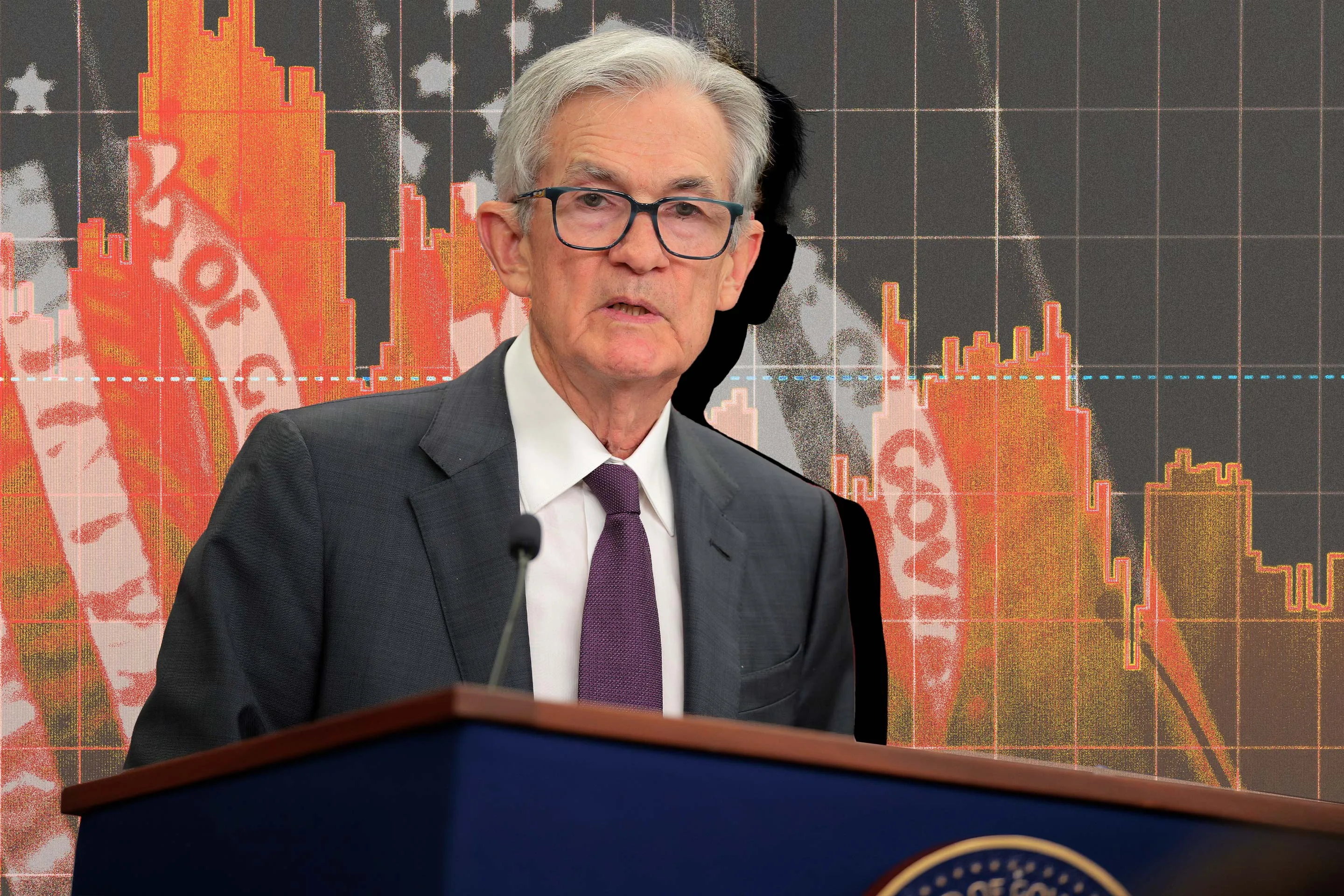
Market analysts have been eagerly anticipating signals from the Federal Reserve on when interest rates might be lowered again. In a highly awaited speech at Jackson Hole, Wyoming, Fed Chair Jerome Powell finally hinted at a potential rate cut.
Powell acknowledged that the current policy is restrictive and hinted at the possibility of adjusting the policy stance based on the baseline outlook and shifting risk balance. Investors interpreted Powell’s remarks as a clear indication that a rate cut is imminent, likely to happen at the next Federal Open Market Committee meeting in September. This optimism led to a surge in U.S. stock prices, with the Dow Jones Industrial Average reaching a new all-time high.
However, the excitement started to wane on Monday as the S&P 500 and Nasdaq also experienced a surge before calming down. Experts reacted to Powell’s speech, noting that he highlighted the Fed’s dual mandate of maximum employment and stable prices for American families. Powell pointed out the stable but weakening labor market as a reason for a potential policy shift, despite the impact of President Donald Trump’s tariffs on consumer prices.
The likelihood of a rate cut in September has increased significantly, with investors now expecting it to happen at the upcoming FOMC meeting. Historical rate changes suggest that a 0.25 percentage point cut is the standard, and investors overwhelmingly anticipate this magnitude of a cut. Trump’s pressure on Powell to reduce interest rates has been ongoing, with the president emphasizing the need for lower rates. However, experts caution against an emergency-sized 50 basis point cut, as it may be perceived as politically influenced rather than data-driven decision-making.
As the next FOMC meeting approaches, all eyes will be on the August jobs report to confirm the size of the potential rate cut. The uncertainty surrounding the economic landscape and the ongoing political pressure on the Fed make the upcoming decision a critical one. It remains to be seen how the Fed will navigate these challenges and make a decision that best serves the economy and the American people.