Profit slide at Target hints at meager holiday season for the retailer
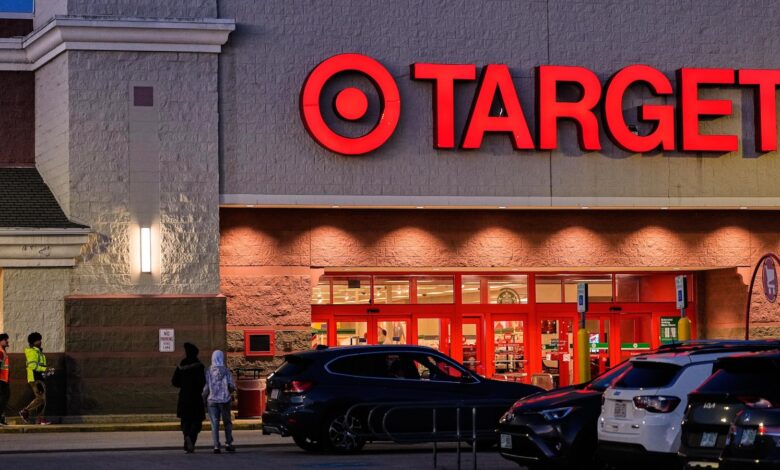
Target, a retail giant based in Minneapolis, is facing challenges as it grapples with a significant drop in profit in the third quarter. The company is struggling to attract shoppers who are feeling the pinch of high inflation rates. This has led to a decline in sales, with Target anticipating a continued slump in revenue during the crucial holiday shopping season.
The company’s stock has taken a hit, plummeting by 43% over the past year, as investors express concerns about Target’s performance. This comes at a time when Michael Fiddelke, a long-time employee of Target, is set to take over as the new CEO, replacing Brian Cornell. Fiddelke will be tasked with reversing the downward trend in sales and revitalizing Target’s image as a go-to destination for affordable and stylish products.
Unlike its rival Walmart, which is thriving, Target has been facing difficulties. To address these challenges, Target recently announced the elimination of about 1,800 corporate positions in an effort to streamline decision-making and accelerate initiatives aimed at attracting more customers. The company is also introducing over 20,000 new items and lowering prices on essential products to boost sales.
Target plans to invest $5 billion in the coming year to renovate existing stores and build new ones. Fiddelke emphasized the company’s commitment to making necessary changes and investments to secure Target’s future success.
Despite these efforts, Target has struggled to maintain its appeal to consumers, with complaints about messy stores and a mismatch between merchandise and the brand’s reputation for affordable yet stylish products. Consumer boycotts following changes in the company’s diversity, equity, and inclusion initiatives have further complicated the situation.
The retail industry has been navigating challenges such as President Donald Trump’s tariffs on imports and immigration policies that have impacted the supply chain. Additionally, the recent federal shutdown is expected to have a negative impact on the economy, further affecting retailers like Target.
In the third quarter, Target’s profit fell to $689 million, with adjusted earnings per share at $1.78. Sales also declined by 1.5% to $25.27 billion, missing analyst expectations. Comparable sales dropped by 2.7%, indicating ongoing challenges in attracting customers.
Target is focusing on three key priorities to address these issues: enhancing its product selection and display, improving the customer experience, and investing in technology. The company anticipates a decline in comparable sales in the fourth quarter and has adjusted its full-year earnings forecast to be in the $7 to $8 per share range.
In conclusion, Target is facing significant challenges as it strives to navigate a changing retail landscape and regain its position as a leading retailer. The company’s success in addressing these issues will be crucial in determining its future performance in the competitive market.