Rachel Reeves refuses to rule out income tax rises at Budget
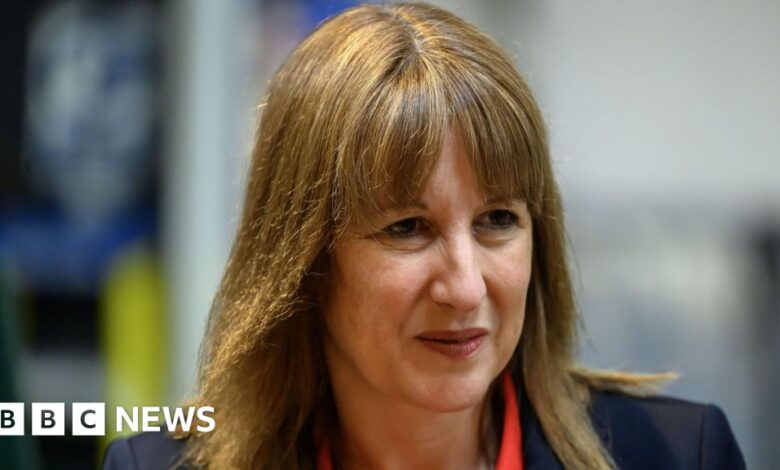
Chancellor Rachel Reeves has sparked speculation after refusing to rule out a potential income tax rise in next month’s Budget. Reports first published in The Guardian suggest that the Treasury is actively discussing the possibility of increasing the tax rate. When asked about these reports, Reeves stated that she is committed to supporting working people by keeping their taxes as low as possible.
While Reeves’ comments do not confirm an imminent tax rise, they mark a departure from her previous statement in September, where she emphasized the importance of upholding manifesto commitments to not raise income tax, National Insurance, or VAT. The Labour Party’s 2024 manifesto explicitly pledged not to raise the basic, higher, or additional rates of income tax, making any potential increase a contentious issue.
Speaking in Leeds, Reeves acknowledged the public’s concerns about the rising cost of living and reiterated her commitment to supporting working individuals by keeping taxes at a minimum. She emphasized the need to carefully consider all options while crafting her Budget, taking into account the latest inflation figures and economic challenges.
The Chancellor has hinted at targeting wealthier individuals in her Budget, emphasizing the principle that those with the broadest shoulders should bear a fair share of the tax burden. Reports suggest that officials are exploring various measures, including higher taxes on partnerships used by professionals like lawyers and accountants. However, economists warn that these steps may not suffice to address the significant deficit in the government’s finances.
The Institute for Fiscal Studies (IFS) predicts that Reeves will likely need to raise taxes to cover a £22 billion shortfall in government revenues. This deficit has been exacerbated by reduced productivity forecasts and increased borrowing, posing a significant challenge for the Chancellor in meeting her fiscal goals.
If an income tax increase is implemented, it would be the first rise in the rate since 2010 when the additional rate was set at 50% for incomes over £150,000. Currently, income tax thresholds in England, Wales, and Northern Ireland range from the tax-free personal allowance to the higher rate of 45% for incomes over £125,140. The potential addition of 1p to the basic rate of income tax, as reported by The Guardian, could generate over £8 billion in additional revenue.
As Reeves navigates the complex task of balancing the budget and addressing economic challenges, the upcoming Budget announcement will be closely watched for any tax policy changes. The decision to potentially increase income tax rates reflects the government’s efforts to stabilize public finances and support economic recovery in the post-pandemic era.