Rare brain-eating amoeba infection possibly linked to water skiing confirmed in Missouri
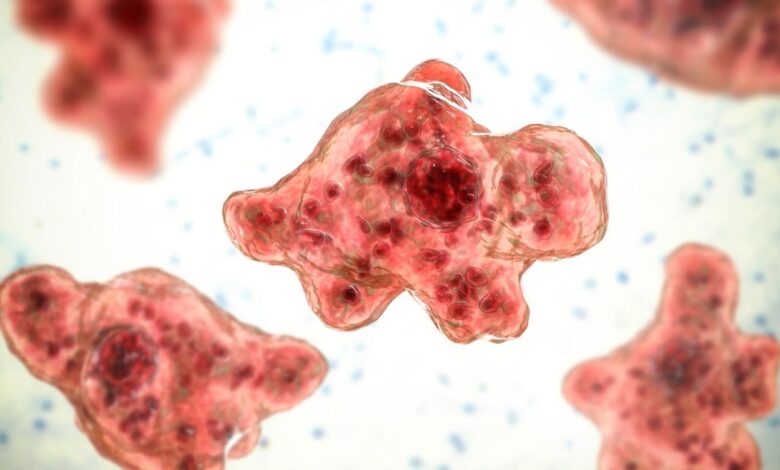
A recent case of a person in Missouri being hospitalized after contracting a brain-eating amoeba has raised concerns about water safety, particularly in recreational freshwater activities like water skiing. The Missouri Department of Health and Senior Services confirmed that the patient is being treated for a Naegleria fowleri infection, also known as primary amebic meningoencephalitis (PAM).
The source of the infection is still under investigation, but it is believed that the patient may have been exposed to the amoeba while at the Lake of the Ozarks. This popular destination in Missouri has two public beaches open to visitors, and health officials are urging caution for anyone planning to engage in water activities in the area.
Naegleria fowleri is a common organism found in warm freshwater, but cases of PAM are rare. The infection occurs when contaminated water is forced up the nose and enters the brain, typically during activities like water skiing or diving. According to the Centers for Disease Control and Prevention, there have been 167 reported cases of PAM in the United States between 1962 and 2024.
This recent incident in Missouri follows the tragic death of 12-year-old Jaysen Carr in South Carolina, who also succumbed to a Naegleria fowleri infection. Carr’s family has since spoken out about the importance of raising awareness about the risks of waterborne illnesses and the need for preventive measures.
To reduce the risk of infection, the CDC recommends holding your nose or wearing a nose clip when participating in freshwater activities. Signs of a Naegleria fowleri infection include nausea, vomiting, fever, severe headache, stiff neck, seizures, altered mental state, and hallucinations. It is important to seek medical attention immediately if you experience any of these symptoms after being in freshwater.
It is essential to note that Naegleria fowleri infections cannot be transmitted through swallowing contaminated water or from person to person contact. By following safety guidelines and being aware of the risks associated with water activities, individuals can help protect themselves from potentially deadly infections like PAM.
As more cases of Naegleria fowleri infections are reported, it is crucial for the public to stay informed and take necessary precautions when engaging in water-related activities. By understanding the risks and following preventive measures, individuals can enjoy the outdoors safely and minimize the chances of exposure to harmful pathogens.