Raw oysters and clams recalled in 9 U.S. states over possible norovirus contamination
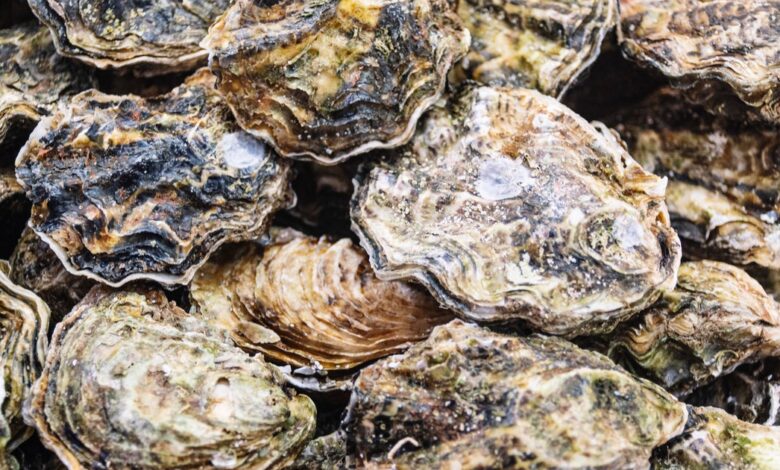
Federal officials have issued a recall for clams and raw oysters distributed in multiple states due to concerns of norovirus contamination. Norovirus, also known as the “stomach flu,” is a highly contagious infection that can cause serious illness if consumed. The Food and Drug Administration (FDA) issued a notice stating that the recalled clams were harvested by the Lummi Indian Business Council and distributed to restaurants and food retailers in Arizona, California, Florida, Georgia, Illinois, Nevada, New York, Oregon, and Washington, with the possibility of other states receiving the contaminated clams.
The oysters, harvested by Drayton Harbor Oyster Company, were distributed to consumers in Washington. Both products were harvested between February 13 and March 3 in Drayton Harbor, Washington. The FDA is advising restaurants, food retailers, and consumers not to eat these raw oysters and Manila clams to prevent the spread of norovirus.
It is important to note that food containing norovirus may appear normal in terms of look, smell, and taste, but can still cause illness. Common symptoms of norovirus include diarrhea, vomiting, nausea, and stomach pain. For immunocompromised individuals, the illness can be more severe. Symptoms typically appear within 12 to 48 hours of consumption and recovery can take up to three days.
According to the Centers for Disease Control and Prevention (CDC), norovirus is highly contagious and can spread through direct contact with an infected person or through contaminated food, water, and objects. If consumers experience norovirus symptoms, they should contact their healthcare provider immediately.
In light of this recall, it is crucial for individuals to be cautious when consuming raw seafood and to follow proper food safety guidelines. By being vigilant and aware of potential risks, consumers can protect themselves from foodborne illnesses like norovirus.
This article has been edited for clarity and accuracy by Alain Sherter.