Reeves’ pre-Budget speech fails to rule out tax rises
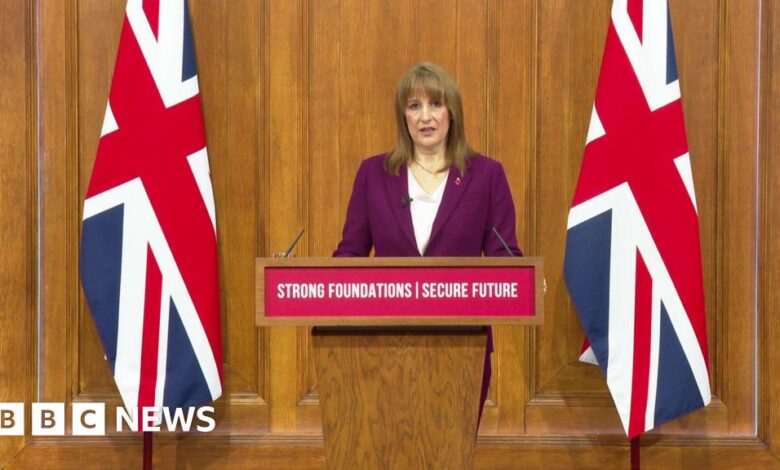
Chancellor Rachel Reeves has delivered a speech in Downing Street ahead of the Budget, indicating that tax rises may be on the horizon. Reeves emphasized the need to make “necessary choices” in response to the challenges faced by the country. While she did not explicitly confirm a U-turn on Labour’s election promise not to raise income tax, VAT, or National Insurance, she hinted at the possibility.
The speech has sparked mixed reactions, with Conservative leader Kemi Badenoch criticizing it as a “waffle bomb” that left business leaders confused. Reeves defended her position by stating that tax increases are not a necessity, but she highlighted the importance of stimulating the economy and addressing key issues such as NHS waiting lists, national debt, and the cost of living.
Despite the ambiguity surrounding specific tax hikes, Reeves stressed the importance of protecting families from inflation and interest rates, safeguarding public services, and maintaining a secure economy with controlled debt. She emphasized the collective effort required to ensure the country’s security and future prosperity.
The Chancellor’s speech has brought clarity to the likelihood of tax increases in the upcoming Budget, although the details remain undisclosed. Reeves justified the need for additional revenue by pointing to factors such as poor productivity, global inflation, and previous government decisions. She underlined the significance of making challenging decisions for the country’s benefit, even if unpopular.
The Resolution Foundation has recommended raising income tax as a viable option to generate revenue, proposing a cut to employee National Insurance to balance the impact. However, the political risks associated with such tax hikes, coupled with public distrust in politics, present significant challenges for the government.
Reeves’ commitment to fiscal rules and the need to strengthen public finances against global uncertainties was highlighted in her speech. The government’s official forecaster is expected to revise productivity forecasts, potentially increasing the financial burden on the Chancellor. Market reactions to the speech, including a drop in the pound’s value and fluctuating government borrowing costs, indicate the significance of the upcoming Budget decisions.
The Resolution Foundation and the Institute for Fiscal Studies have both emphasized the importance of increasing fiscal headroom to address economic instability and reduce borrowing costs. Reeves faces a complex task of balancing economic recovery, public expectations, and long-term fiscal sustainability in the forthcoming Budget.