Rehab can keep you out of jail — but become a prison itself
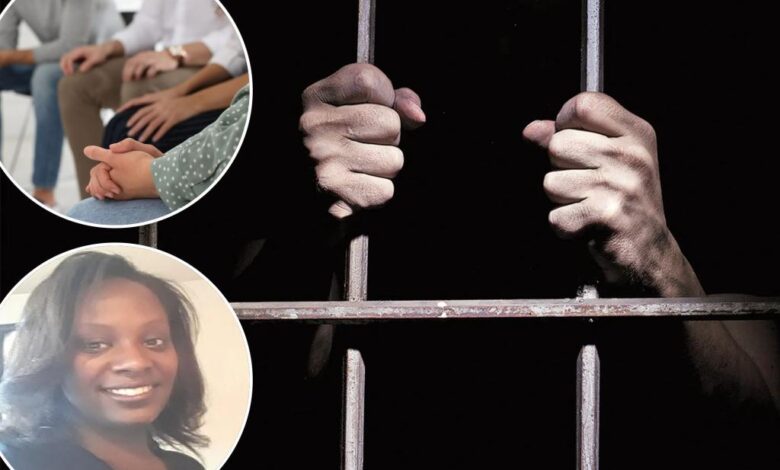
The American rehab industry has been under scrutiny for its profit-driven and often harmful practices, as highlighted in the book “Rehab: An American Scandal” by Shoshana Walter. The story of Chris Koon, who entered a brutal two-year inpatient program at Cenikor Baton Rouge rehab center after being arrested for meth possession, sheds light on the dark side of the rehab system.
Upon signing the intake documents at Cenikor, Koon unknowingly agreed to work without compensation, forfeit his rights to workers’ compensation, government assistance, and adopt the program’s morals and values. This exploitative system, which often targets vulnerable individuals seeking help for addiction, raises serious ethical concerns.
April Lee, a black woman from Philadelphia, also found herself trapped in the cycle of unpaid labor at a recovery house. Despite her efforts to rebuild her life after struggling with addiction, she ended up working as a house monitor without pay, unable to save money to leave. The lack of financial support and emotional stress made her feel physically and emotionally trapped in a system that offered little in terms of real rehabilitation.
The harsh disciplinary measures at rehab facilities like Cenikor, where residents are subjected to public shaming, forced labor, and emotional manipulation, resemble cult-like practices. The emphasis on punishment and control, rather than genuine therapeutic support, raises concerns about the effectiveness and ethics of such programs.
While some individuals like Koon and Lee managed to find their way out of the system and rebuild their lives, many others continue to struggle within the flawed rehab industry. The promise of a cure for addiction often falls short, leading to relapse, shame, and further risks for individuals seeking help.
The book “Rehab: An American Scandal” sheds light on the exploitative practices and systemic failures within the rehab industry, calling for greater regulation and accountability to ensure that individuals seeking help for addiction receive the support and care they truly need. It serves as a reminder that there is no magical cure for addiction and that rehab programs must prioritize the well-being and recovery of their clients above all else.