Remembering A Global Health Hero
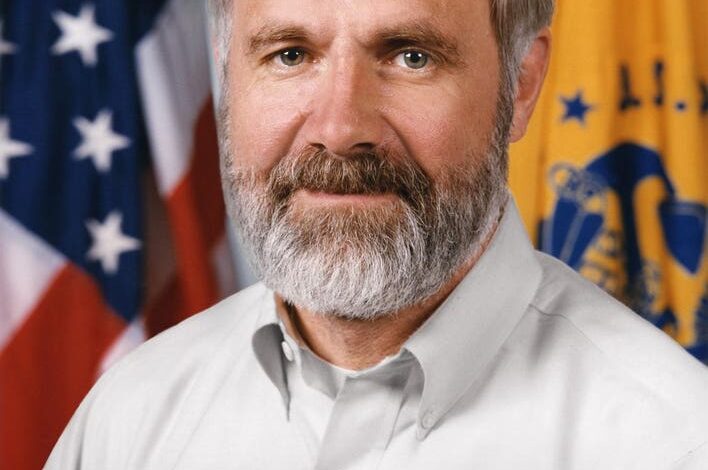
Dr. William H. “Bill” Foege, M.D., a global health hero, passed away at his Atlanta home on Jan 24 at the age of 89. Back in 1966, as a young CDC epidemiologist in Nigeria, he came up with a vaccination strategy that eventually led to the worldwide eradication of smallpox – a disease that had plagued humanity for centuries. This groundbreaking achievement, which followed the discovery by British doctor Edward Jenner that inoculation with cowpox could provide immunity against smallpox, is hailed as a major milestone in public health history. The elimination of smallpox, a disease responsible for the deaths of millions of people in the 20th century alone, showcased the power of targeted, data-driven approaches in overcoming significant health challenges.
But Dr. Foege’s contributions did not stop there. During his tenure as the director of the CDC from 1977 to 1983, he oversaw the agency’s response to the emerging AIDS epidemic and advocated for a comprehensive approach to disease prevention that encompassed non-communicable diseases, environmental health, and injury prevention. After leaving the CDC, he joined Emory University’s Rollins School of Public Health as a professor of international health and co-founded The Task Force for Child Survival to address low child immunization rates globally.
In 1986, Dr. Foege was appointed as the Executive Director of the Carter Center, a position where he continued his efforts to promote human rights and alleviate human suffering. One of his notable achievements during this time was convincing Merck to donate their drug Mectizan® to combat River Blindness in Africa, a move that laid the foundation for what would later be termed as “pharmacophilanthropy” and led to substantial donations of essential medicines for neglected tropical diseases.
In 1999, Dr. Foege took on a new role as the Senior Medical Advisor to the Bill & Melinda Gates Foundation, where he played a key role in shaping the Foundation’s global health strategies and advocating for vaccine equity. His impact on global health through the Gates Foundation cannot be overstated.
Throughout his illustrious career, Dr. Foege received numerous accolades, including the Presidential Medal of Freedom from President Barack Obama in 2012. Despite his remarkable achievements, he remained humble and focused on the impact of his work on improving the health and well-being of millions of people around the world.
As someone who had the privilege of meeting Dr. Foege early in my career, I can attest to his wisdom and passion for public health. His words about the importance of making a difference, even if it goes unnoticed, have stayed with me throughout my own journey in the field of medicine. Dr. Foege’s legacy serves as a reminder of the profound impact one individual can have on the health of communities and the importance of continuing his work to ensure a healthier and more equitable world for all.