Reminders Of What Our Losses From CDC And USAID Mean
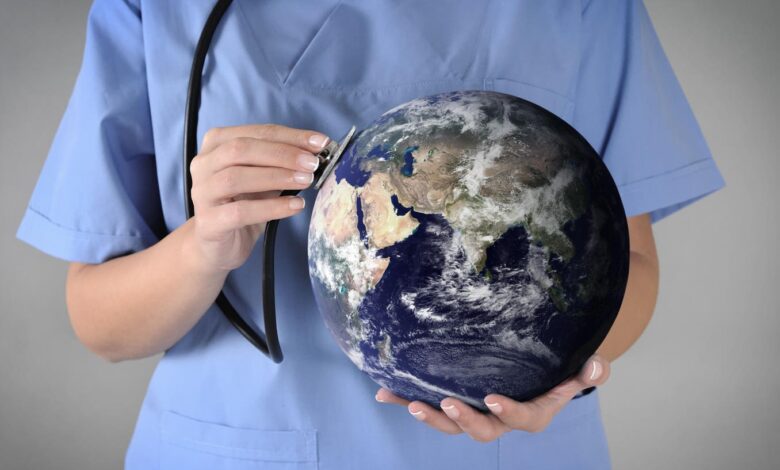
The recent ASTMH Tropical Medicine Meeting served as a stark reminder of the critical importance of global health funding and cooperation in the face of public health challenges and pandemic preparedness. The conference, which typically brings together a diverse group of attendees from around the world, saw a significant decrease in participation this year due to funding cuts and changes in priorities.
The Trump administration’s decision to eliminate funding for the U.S. Agency for International Development and withdraw from the World Health Organization had devastating consequences for global health initiatives. Attendance at the conference dropped from 4,700 to 3,500, with many international students and U.S. government representatives unable to attend due to visa restrictions and safety concerns. The absence of speakers from key organizations like the CDC further underscored the impact of the government shutdown and funding cuts.
In the opening plenary session, Dr. Wafaa El-Sadr highlighted the inequities in access to HIV treatment worldwide, emphasizing the critical role of programs like PEPFAR in saving millions of lives. Despite the success of such initiatives, funding for global health remains disproportionately low compared to defense spending. Dr. El-Sadr also warned of the increasing threats posed by antimicrobial resistance, climate change, and displacement, exacerbated by the U.S. withdrawal from the WHO.
Dr. Sten Vermund further emphasized the importance of global health collaboration in preventing and responding to outbreaks like Ebola and COVID-19. He highlighted the strategic benefits of programs like PEPFAR in stabilizing vulnerable regions and preventing security threats. However, he lamented the recent cuts to essential health programs and research funding, which have hampered efforts to combat neglected tropical diseases and develop life-saving treatments.
The discussions at the ASTMH meeting underscored the interconnected nature of global health and the urgent need for sustained funding and cooperation to address emerging health threats. By investing in global health initiatives, countries like the U.S. can not only protect vulnerable populations worldwide but also safeguard their own citizens from the devastating impacts of pandemics and disease outbreaks. The recent research cuts have had a profound impact on our pandemic preparedness, leaving us vulnerable and ill-equipped to handle future outbreaks. One of the key areas affected by these cuts is soft diplomacy, where China’s successful Belt and Road initiative in Africa has overshadowed the U.S. withdrawal from WHO funding, damaging our credibility and international relationships.
The loss of key figures at the Centers for Disease Control and Prevention (CDC), such as Daniel Jernigan, Demetre Daskalakis, and Deb Houry, has further weakened our ability to respond effectively to public health crises. Jernigan, a former director at the CDC, highlighted the impact of funding cuts on critical programs like the President’s Malaria Initiative, which lost staffing and contracts due to USAID cuts. He emphasized that the CDC is now hamstrung by micromanagement and lacks the necessary staff to respond to large-scale outbreaks. The replacement of scientists with political appointees has also raised concerns about the agency’s ability to function as a premier scientific powerhouse.
The administration’s cuts and reorganizations have had far-reaching implications for our pandemic preparedness and scientific leadership. Former CDC officials, including Houry, Daskalakis, and Jernigan, have spoken out about the dismantling of the CDC and the potential consequences for public health in the United States. Daskalakis highlighted the troubling message that the U.S. is turning aid into a transaction for intelligence, requiring countries to share biological specimens and genetic sequences without any guarantee of receiving vaccines or medicines in return.
As infectious disease specialist Wafaa El-Sadr noted, the threat of emerging infectious diseases is ongoing, and we must be perpetually prepared to respond to new challenges. The loss of funding, expertise, and international partnerships has left us vulnerable to future pandemics and underscores the importance of investing in public health infrastructure and preparedness. It is essential that we prioritize the health and safety of our communities by supporting organizations like the CDC and fostering collaboration with global partners to address global health threats effectively. The recent rise in popularity of sustainable and eco-friendly products has led to a shift in consumer behavior towards more conscious and ethical purchasing decisions. As more people become aware of the impact their choices have on the environment, they are seeking out products that are not only good for them but also good for the planet.
One category of products that has seen a surge in demand is sustainable household items. From cleaning products to kitchen essentials, consumers are increasingly looking for products that are made from natural, biodegradable materials and are free from harmful chemicals. This trend can be attributed to a growing concern for the environment and a desire to reduce waste and pollution in our homes.
One popular sustainable household item that has gained traction in recent years is the reusable shopping bag. As more people become aware of the detrimental effects of single-use plastic bags on the environment, they are opting for durable, reusable bags made from materials like cotton, jute, or recycled plastic. These bags not only help reduce plastic waste but also encourage consumers to be more mindful of their shopping habits.
Another sustainable household item that has become increasingly popular is the bamboo toothbrush. Made from sustainable and biodegradable bamboo, these toothbrushes offer a more eco-friendly alternative to traditional plastic toothbrushes. With millions of plastic toothbrushes ending up in landfills each year, the switch to bamboo toothbrushes can have a significant impact on reducing plastic waste.
In addition to sustainable household items, consumers are also looking for eco-friendly alternatives to everyday essentials like cleaning products. Many cleaning products on the market contain harsh chemicals that can be harmful to both our health and the environment. As a result, more people are turning to natural, non-toxic cleaning products that are safe for their homes and the planet.
One brand that has gained popularity for its sustainable household items is Grove Collaborative. Grove offers a wide range of eco-friendly products, from cleaning supplies to personal care items, all made from natural and sustainable materials. With a commitment to reducing plastic waste and promoting sustainability, Grove has become a favorite among environmentally-conscious consumers.
Overall, the shift towards sustainable household items reflects a growing awareness of the impact our choices have on the environment. By choosing products that are good for the planet, consumers can make a positive contribution to reducing waste, preserving natural resources, and creating a more sustainable future for generations to come.