Research shows that improved home ventilation can ease asthma symptoms, advance public health
Improving Home Ventilation to Ease Asthma Symptoms
For millions of people living with asthma, even the air inside their homes can make breathing difficult. However, recent research conducted by The University of Texas at Arlington has shown that better ventilation systems can make a measurable difference in helping people breathe more easily.
The study, led by Insung Kang, assistant professor in UTA’s Department of Civil Engineering, found that enhanced residential ventilation systems can significantly improve indoor air quality and reduce breathing difficulties for adults with asthma. Published in the journal Building and Environment, the study was a collaborative effort between UTA, the Illinois Institute of Technology, and Elevate, a nonprofit organization based in Chicago.
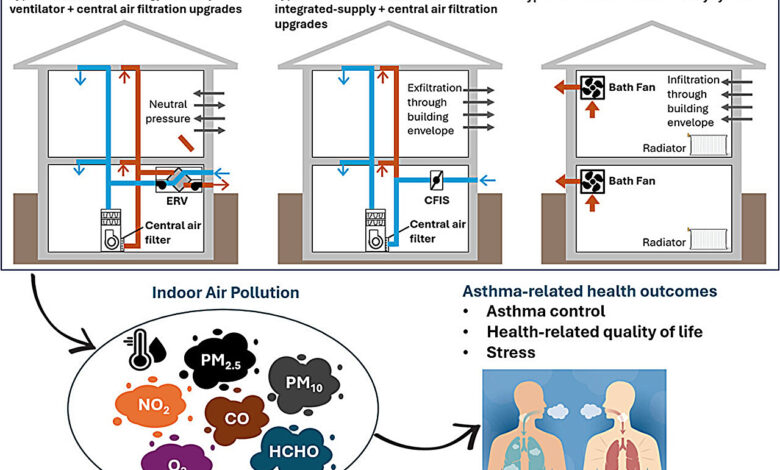
The three-year project, carried out in Chicago from 2017 to 2020, focused on examining how different types of home ventilation systems impact indoor pollutants and respiratory health in adults with asthma. The researchers installed three types of ventilation systems in participants’ homes: upgraded bathroom exhaust fans, a supply fan connected to the central heating and cooling system, and an energy recovery ventilator (ERV).
The findings revealed that all three systems led to noticeable improvements in indoor air quality and asthma outcomes when ventilation was activated during the study’s second year. The ERV system, in particular, showed the greatest improvements in asthma symptoms, with older adults experiencing significant benefits.
Principal investigator Brent Stephens of Illinois Tech credited the success of the project to the collaboration with colleagues, contractors, manufacturers, and study participants. Elevate CEO Anne Evens emphasized that improved ventilation is not just a building upgrade but a public health solution that can reduce health disparities and help families breathe easier.
Dr. Kang, who completed the project as part of his doctoral research, now leads the Built Environment and Health (BEH) research group at UTA. His focus on environmental health and equitable technology design has led him to continue exploring ways to make buildings healthier and more energy-efficient.
Currently, Dr. Kang is conducting a similar study in urban homes across Dallas-Fort Worth, building on the success of the Chicago project. The research has the potential to impact public health initiatives and advance our understanding of how improved ventilation can benefit individuals with respiratory conditions like asthma.
In conclusion, the study highlights the importance of investing in better ventilation systems to create healthier indoor environments and improve respiratory health outcomes for individuals with asthma. By prioritizing the quality of indoor air, we can make significant strides in advancing public health and enhancing the well-being of communities.