Researcher examines impact of limiting public health stats
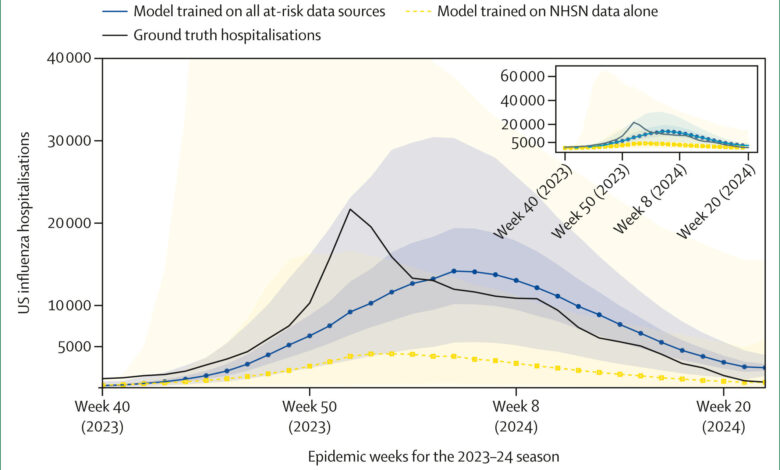
In a recent publication in The Lancet Digital Health, Tom McAndrew, a computational scientist and associate professor at Lehigh’s College of Health, delved into the repercussions of restricting public health data crucial for making informed decisions during the flu season. McAndrew highlighted the impact of limiting access to vital statistics on healthcare providers and researchers relying on this information to guide treatment strategies.
During the peak flu season, Pennsylvania witnesses around 1,000 hospitalizations per week, with last year marking a significant spike to 4,000 hospitalizations per week, making it one of the worst flu seasons in over a decade. However, the ability to make accurate public health decisions was hindered when executive orders were issued to restrict the release of essential public health data by federal agencies, including the Centers for Disease Control and Prevention (CDC).
The limitations imposed on public health data dissemination led to delays in releasing routine CDC data sources and the removal of numerous web pages containing critical information related to vaccines, veterans’ care, and scientific research. Although some data has been restored, the uncertainty created by this unprecedented rollback of public information has left researchers like McAndrew concerned about future implications and the need to better prepare for such scenarios.
McAndrew emphasized the importance of transparent and accessible public health data for forecasting flu trends, assessing preventive measures, and guiding healthcare decisions. His research, conducted in collaboration with doctoral student Garrik Hoyt, underscored the significance of maintaining comprehensive data sources for accurate flu forecasting and public health decision-making.
The study compared models using rich data sources with those relying on limited information, demonstrating the stark contrast in forecast reliability and the potential consequences of data restrictions on public health outcomes. The findings highlighted the need for a strategic national plan to safeguard public health data and ensure robust data infrastructure to support effective public health interventions.
As the U.S. grapples with an outbreak of avian flu, the importance of timely and comprehensive data in responding to public health crises becomes increasingly evident. McAndrew and his colleagues advocate for concerted efforts across academia, industry, and government to preserve and enhance access to critical public health datasets to better prepare for future health challenges.
In conclusion, the research conducted by McAndrew and his team sheds light on the critical role of public health data in informing healthcare decisions and underscores the need for proactive measures to protect and enhance data accessibility for improved public health outcomes. By advocating for transparent and comprehensive data collection practices, researchers aim to empower stakeholders at all levels to make informed decisions and mitigate the potential risks associated with data limitations during public health crises.