Retail sales boosted by sunny weather and football in July
Retail Sales Rise in July Boosted by Sunny Weather and Women’s Euro Football Tournament
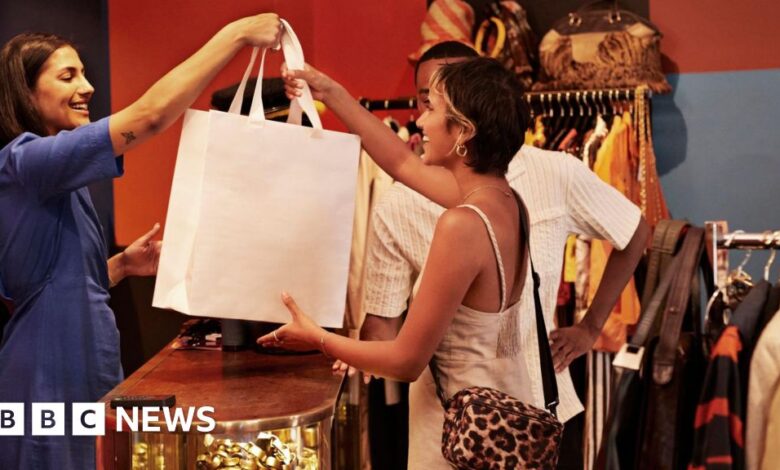
Retail sales in July saw a 0.6% increase, surpassing analysts’ expectations, thanks to the sunny weather and the women’s Euro football tournament, according to the Office for National Statistics (ONS). Clothing and footwear stores, as well as online retailers, experienced strong sales growth during the month.
The release of the figures was delayed by two weeks due to concerns about data quality, with the ONS admitting errors in how survey data aligned with calendar months. This has raised questions about the reliability of ONS statistics, especially regarding the jobs market figures, which are crucial for government policy decisions and financial planning by institutions like the Bank of England.
While July showed a rise in sales volumes, the three-month period leading up to July saw a 0.6% decline compared to the previous three months. Supermarkets, sports shops, and household goods stores initially had a strong start to the year but experienced a decline in spending since March. However, this was offset by robust sales online and at clothing and footwear stores.
James Benford, the ONS’s director general of economic statistics, acknowledged past data errors and outlined improvement plans. The ONS reported that seasonal adjustments were not correctly applied to the retail sales figures, resulting in a revision of most retail sales data for the past year.
Online retailers and clothing stores were standout performers in July, attributing their success to new product launches, favorable weather conditions, and the Women’s Euro 2025 tournament. While tech and household appliances chain Currys experienced increased demand for air conditioners and fans due to the hot weather, economists like Paul Dales from Capital Economics caution that these boosts may not be sustained.
Looking ahead, the retail sector faces challenges such as potential tax rises ahead of the November Budget, which could impact consumer spending. Kris Hamer from the British Retail Consortium noted that while July showed positive sales growth, retailers are still grappling with £7bn in new costs imposed after last year’s Budget, including higher National Insurance contributions and minimum wage.
Matt Swannell, chief economic adviser at EY ITEM Club, highlighted the importance of consumer sentiment in driving future sales growth. Despite a potential shift towards more optimistic spending habits, factors such as slower earnings growth, rising inflation, tighter fiscal policies, and past interest rate hikes could dampen real income growth in the near future.