RFK Jr. adds OB-GYNs to ACIP amid review of shots during pregnancy
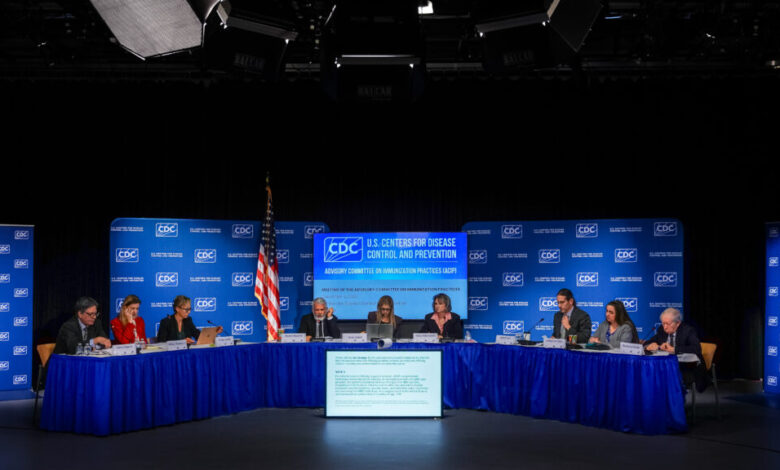
Health secretary Robert F. Kennedy Jr. has made significant changes to the Advisory Committee on Immunization Practices by appointing two new members who have raised concerns about mainstream vaccine science. The new members, both OB-GYNs, are set to review vaccines recommended for women during pregnancy, sparking controversy within the medical community.
One of the appointees, Kimberly Biss, has expressed skepticism about the safety and efficacy of vaccines, particularly focusing on the Covid-19 vaccine’s impact on women. Despite scientific evidence supporting the safety of Covid-19 vaccines during pregnancy, Biss has raised unfounded concerns about infertility and harm to pregnant women. On the other hand, Adam Urato, a maternal-fetal medicine doctor, has also displayed vaccine skepticism, aligning with the overarching theme of Kennedy’s ACIP members.
Kennedy’s restructuring of the committee has led to a shift towards vaccine skepticism, deviating from established medical and public health consensus. The controversial decisions made by Kennedy’s ACIP have raised questions about the committee’s credibility and adherence to scientific evidence. The recent appointments further solidify the committee’s trajectory towards skepticism of vaccines, potentially impacting future vaccine policy recommendations.
Adam Urato’s history of challenging the medical establishment extends to his activism against the FDA’s approval of Makena, a drug for preventing preterm births. His views on vaccines, particularly in pregnant women, lean towards skepticism, as evidenced by his social media posts. Similarly, Kimberly Biss has shown distrust towards the pharmaceutical and medical industries, aligning with Kennedy’s stance on vaccine policy.
Both Urato and Biss’s appointments come amidst Kennedy’s controversial reshaping of federal vaccine policy, which has led to the downgrading of recommendations for childhood vaccines. The committee’s evolving composition and decision-making processes have raised concerns among experts regarding the impact on public health and vaccination efforts.
In conclusion, the appointment of Urato and Biss to the ACIP reflects a broader trend of vaccine skepticism within the committee. Their positions on vaccine safety and efficacy raise questions about the future direction of vaccine policy in the United States. As the committee continues to navigate these challenges, it is essential to prioritize evidence-based decision-making to ensure the protection of public health.