RFK Jr.’s new CDC vaccine panel sparks debate on conflicts

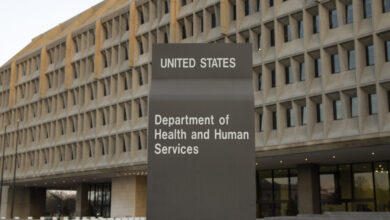
In a controversial move, health secretary Robert F. Kennedy Jr. recently dismissed the 17 members of the key panel that advises the federal government on vaccine recommendations. Kennedy cited their ties to the pharmaceutical industry as the reason for the dismissal, claiming that these ties had eroded public trust in the panel’s recommendations.
However, the new members of the panel that Kennedy announced on social media have raised eyebrows for their own potential conflicts of interest and backgrounds rooted in vaccine skepticism. This has led to questions from public health experts and bioethicists about how Kennedy is defining conflicts of interest for the panel members.
Jeffrey Kahn, director of the Johns Hopkins Berman Institute of Bioethics, highlighted the importance of understanding the definition of conflict of interest being applied in this case. He emphasized the need to clarify how this definition differs from previous guidelines, if at all.
The conflict of interest guidelines for panel members typically address both financial ties to the pharmaceutical industry and the need to disclose any statements or actions that could suggest a lack of impartiality when reviewing vaccines or other products. These guidelines are crucial for maintaining transparency and ensuring that the panel’s recommendations are based on scientific evidence rather than personal biases.
As the controversy surrounding the panel continues to unfold, it is essential for Kennedy and other health officials to address concerns about conflicts of interest and uphold the integrity of the panel’s work. Public trust in vaccine recommendations is paramount, and transparency in the decision-making process is key to maintaining that trust.