RFK Jr.’s new food pyramid emphasizes protein, healthy fats. Here’s what to know about the dietary guidelines.
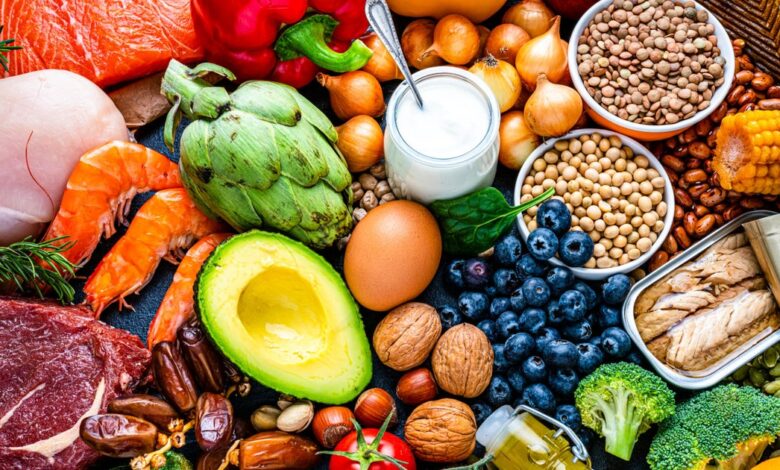
The Trump administration recently introduced a new food pyramid and dietary guidelines for Americans, emphasizing the importance of prioritizing high-quality protein, healthy fats, fruits, vegetables, and whole grains while avoiding highly processed foods and refined carbohydrates. Health and Human Services Secretary Robert F. Kennedy Jr. stressed the importance of “eating real food” during a White House briefing where the changes were announced.
One of the key updates in the new guidelines is the recommendation to limit the consumption of highly processed foods. Research has shown that diets high in ultra-processed foods are linked to various health issues, prompting the administration to advise against such foods. Additionally, the guidelines call for avoiding added sugars, artificial flavors, dyes, and low-calorie non-nutritive sweeteners in order to promote overall health.
The focus on reducing chronic diseases and supporting gut health is also highlighted in the new dietary guidelines. By encouraging the consumption of vegetables, fruits, fermented foods, and high-fiber foods, the administration aims to improve the overall health of Americans and reduce healthcare costs associated with chronic conditions.
Another significant change in the guidelines is the emphasis on consuming healthy fats from sources like meat, poultry, eggs, seafood, nuts, and avocados. The administration recommends prioritizing full-fat dairy options and using olive oil, butter, or beef tallow for meal preparation. The guidelines also suggest increasing protein intake and incorporating nutrient-dense protein foods in every meal.
In terms of fruits, vegetables, and whole grains, the guidelines recommend consuming at least three servings of vegetables and two servings of fruit per day, as well as incorporating fiber-rich whole grains while reducing the intake of refined carbs. The new food pyramid released by the USDA and Department of Health and Human Services reflects these recommendations, with protein, dairy, healthy fats, fruits, vegetables, and whole grains forming the basis of a healthy diet.
The guidelines also address alcohol consumption, advising Americans to consume less alcohol for better overall health. Certain groups, such as pregnant women and those with medical conditions, are encouraged to avoid alcohol entirely. The American Medical Association has expressed support for the new dietary guidelines, emphasizing the importance of food as medicine and providing clear direction for improving health.
Overall, the new dietary guidelines aim to promote a healthier diet for Americans, reduce the risk of chronic diseases, and support overall well-being. By emphasizing the importance of real food, healthy fats, protein, fruits, vegetables, and whole grains, the administration hopes to improve the health and well-being of the population.