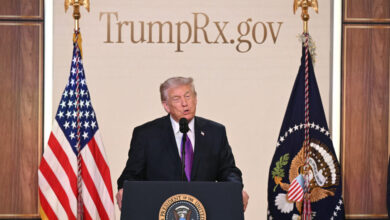
RFK Jr.’s thimerosal warning sparks global vaccine concerns
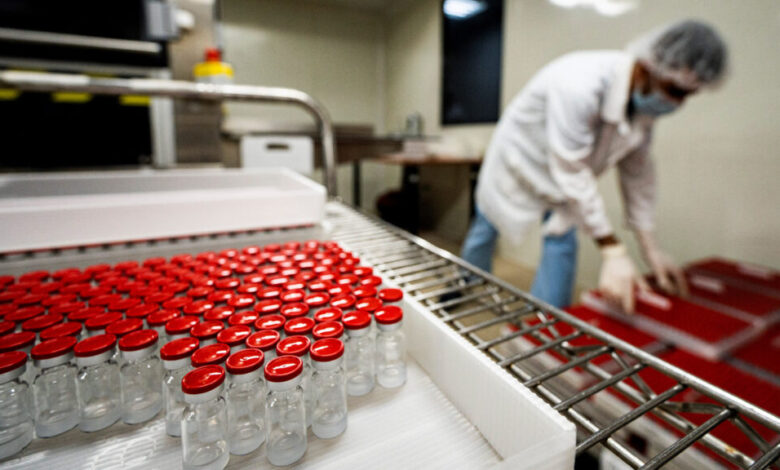
This change came at a cost, both in terms of expense and logistics. Vaccines are a critical tool in preventing the spread of infectious diseases, and any disruption in the supply chain can have serious consequences. The decision to remove thimerosal from vaccines given to children was made out of an abundance of caution, but it also fueled the flames of the anti-vaccine movement, which continues to spread misinformation about the safety and efficacy of vaccines.
Robert F. Kennedy Jr., a prominent figure in the anti-vaccine movement, has long been a vocal critic of thimerosal in vaccines. Earlier this month, he called on countries around the world to follow the lead of the United States and ban the use of thimerosal in vaccines. While experts in infectious diseases do not believe that Kennedy or the U.S. has the influence to persuade other nations to take this step, they are concerned that his statements could sow seeds of doubt and lead to a decline in vaccination rates globally.
Kennedy’s claims about the dangers of thimerosal are not supported by scientific evidence. Thimerosal is a mercury-based compound, but it is ethylmercury, which is different from the more toxic methylmercury found in some fish. Multiple studies have shown that the levels of ethylmercury used in vaccines are not harmful to human health. The World Health Organization and the Food and Drug Administration both support the safety of thimerosal in vaccines.
Despite the scientific consensus on the safety of thimerosal, the decision to phase it out of vaccines given to children in the late 1990s was a precautionary measure taken in response to concerns about a possible link to rising autism rates. While the transition away from thimerosal was largely completed by 2001, the move to more expensive prefilled syringes or single-dose vials has had implications for the supply chain and the cost of vaccines.
In the face of continued misinformation and doubt about the safety of vaccines, it is essential to rely on the evidence-based recommendations of public health experts and regulatory agencies. Vaccines save lives and protect communities from the spread of infectious diseases. The global community must continue to support vaccination efforts and counter misinformation to ensure the health and well-being of populations around the world. In June, the Centers for Disease Control and Prevention’s Advisory Committee on Immunization Practices, which now includes new members selected by Kennedy, made a recommendation that Americans should no longer receive flu vaccines containing thimerosal. This decision came at a time when the CDC estimated that 96% of flu shots given in the U.S. were already thimerosal-free.
Thimerosal, known as thiomersal by the World Health Organization (WHO), is still widely used as a vaccine preservative in many parts of the world. The WHO emphasized the importance of thimerosal in international vaccination efforts, particularly in regions where the infrastructure for vaccine storage, known as the cold chain, is limited or unreliable.
The use of multidose vials for vaccines, even those containing thimerosal, is crucial in areas with challenges in refrigeration and electricity supply. The need for refrigeration can strain the storage and distribution capabilities of some countries. Transitioning to single-dose presentations would not only increase costs and generate more medical waste but also pose significant challenges in storing vaccines safely.
The WHO stated that there is no evidence to suggest that thimerosal-containing vaccines cause autism or developmental disorders. Multiple studies and reviews conducted over two decades have consistently shown that thimerosal is safe for use in vaccines.
While a country like the United States could opt for vaccines in single-dose vials, this approach may not be feasible in many parts of the world. The costs and logistical challenges of such a transition would be immense and could disrupt vaccination programs.
Gavi, an organization that helps the poorest countries purchase vaccines, relies heavily on multidose vials due to cost and volume considerations. Only vaccines prequalified by the WHO are used, with formulations endorsed by WHO’s Strategic Advisory Group of Experts on Immunization (SAGE).
Removing thimerosal from vaccines could create regulatory and manufacturing hurdles for countries that rely on vaccines not produced in the U.S. or Europe. The process of reformulating products and obtaining approvals could cause significant disruptions in vaccination programs.
Despite the recommendation to phase out thimerosal, experts like Anna Durbin from the Johns Hopkins Bloomberg School of Public Health believe that countries are unlikely to adopt this change. The United States’ credibility in scientific leadership and vaccine recommendations has been called into question, potentially impacting global perceptions of vaccine safety and efficacy. The world of technology is constantly evolving, with new innovations and advancements being made on a daily basis. One of the most exciting developments in recent years has been the rise of artificial intelligence (AI) and machine learning. These technologies are revolutionizing industries ranging from healthcare to finance to transportation, and are poised to have a major impact on our lives in the years to come.
So, what exactly is artificial intelligence? In simple terms, AI refers to the simulation of human intelligence in machines that are programmed to think and learn like humans. This includes tasks such as speech recognition, decision-making, problem-solving, and more. Machine learning, a subset of AI, involves using algorithms to analyze and learn from data in order to make predictions and decisions.
One of the key benefits of AI and machine learning is their ability to automate tasks that would normally require human intelligence. This can lead to increased efficiency, cost savings, and improved accuracy in a wide range of industries. For example, in healthcare, AI is being used to analyze medical images and help diagnose diseases more accurately and quickly. In finance, machine learning algorithms are being used to predict market trends and optimize investment strategies. In transportation, AI is being used to develop self-driving cars that can navigate roads and traffic with minimal human intervention.
Despite the many benefits of AI and machine learning, there are also concerns about their potential impact on jobs and society as a whole. Some fear that the widespread adoption of these technologies could lead to job losses as tasks become automated, while others worry about the ethical implications of using AI to make decisions that could have far-reaching consequences. Additionally, there are concerns about the potential for bias in AI algorithms, as they are only as good as the data they are trained on.
As AI and machine learning continue to advance, it is important for researchers, policymakers, and industry leaders to work together to address these concerns and ensure that these technologies are developed and deployed responsibly. This includes ensuring transparency and accountability in AI systems, as well as promoting diversity and inclusivity in the development process.
Overall, the rise of artificial intelligence and machine learning presents both exciting opportunities and challenges for society. By working together to harness the power of these technologies while also mitigating their risks, we can create a future where AI enhances our lives and helps us solve some of the world’s most pressing problems.