RFK Jr.’s vaccine advisory panel’s incompetence is undeniable
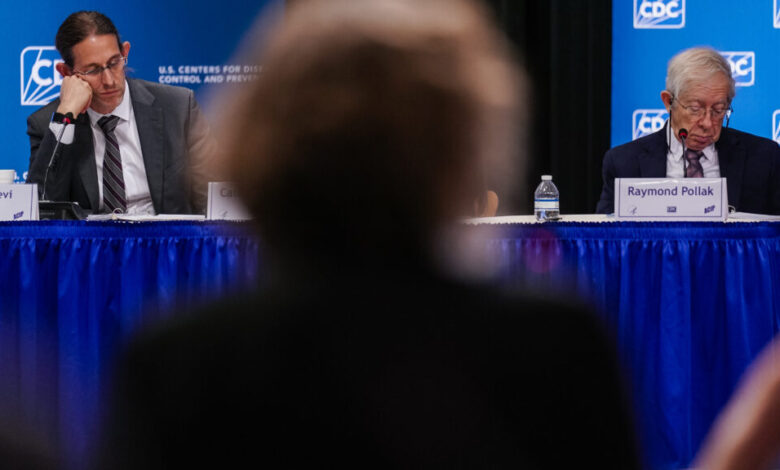
The recent Advisory Committee on Immunization Practices’ (ACIP) meetings have taken a drastic turn from the usual geeky and data-driven discussions to a more lively and at times comical affair, thanks to health secretary Robert F. Kennedy Jr. However, the shift in tone and content is concerning, considering the impact these decisions have on public health.
One major issue highlighted during the meeting was the lack of expertise among committee members. Despite discussing important topics like hepatitis B vaccines, it was evident that the presentations lacked input from experts in the field. Instead, individuals with questionable backgrounds, such as climate researchers and anti-vaccine activists, were brought in to present information. This lack of expertise raised doubts about the credibility of the discussions and decisions made by the committee.
In addition to the lack of expertise, there were instances of incompetence displayed by committee members. Confusion over voting language and recommendations that fell outside the committee’s mandate showcased a lack of understanding of their roles and responsibilities. The committee’s inability to grasp basic concepts and procedures further underscored the need for more qualified individuals to be involved in decision-making processes.
Furthermore, the meeting was marred by a clear anti-vaccine bias, with several presentations attempting to undermine the safety and efficacy of vaccines. Anti-vaccine activists were given a platform to spread misinformation and cast doubt on established scientific evidence. This biased approach not only jeopardizes public health but also erodes trust in the vaccination process.
Since its inception in 1964, ACIP has been known for providing evidence-based recommendations on vaccines. However, the recent meeting highlighted a shift towards bias, incompetence, and a disregard for scientific evidence. It is essential that the committee reevaluates its approach and ensures that decisions are made based on sound scientific principles to protect the health of both children and adults.
In conclusion, the recent ACIP meeting has raised serious concerns about the direction of vaccine policy decisions. It is imperative that the committee prioritizes expertise, professionalism, and evidence-based decision-making to safeguard public health. We must demand better from our public health officials to ensure the safety and well-being of our communities.