RFK Jr. suggests circumcision is linked to autism. Here’s what experts say.
Health Secretary’s Claims on Autism and Circumcision Met with Skepticism
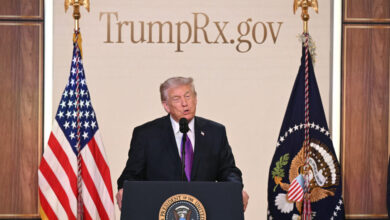
Health Secretary Robert F. Kennedy Jr. stirred controversy by suggesting a potential link between autism and circumcision, while also reiterating the unsubstantiated theory that Tylenol could be a contributing factor to the disorder. However, medical experts have pushed back against these claims, citing a lack of concrete evidence to support such assertions.
The Controversial Link Between Autism and Circumcision
Circumcision, a surgical procedure that involves the removal of the foreskin from a boy’s penis, has been a topic of debate in recent years. While some communities practice circumcision for cultural or religious reasons, studies have shown a decline in its prevalence in the United States. Kennedy’s remarks regarding a potential correlation between circumcision and autism were based on two studies, although he did not specify which ones.
One study from 2013 and another from 2015 suggested a link between circumcision and autism rates, but experts have pointed out several limitations in these studies. Dr. Céline Gounder, a medical contributor for CBS News, highlighted the presence of confounding variables that could distort the relationship between circumcision and autism.
Debunking the Claims
Other medical professionals, such as Dr. Steven Abelowitz, founder of Ocean Pediatrics, have refuted Kennedy’s claims, stating that there is no definitive evidence establishing a causal relationship between circumcision, Tylenol, or vaccines and autism. The timing of acetaminophen use in relation to circumcision also does not align with the proposed theory, as most circumcisions occur before infants are recommended to receive acetaminophen.
Furthermore, the American Academy of Pediatrics has affirmed the safety of acetaminophen for children when used as directed, debunking any potential link to autism. Despite Kennedy’s assertions, the medical consensus remains that there is no concrete evidence to support his claims.
International Response
Kennedy’s comments have garnered international attention, with organizations like the National Autistic Society in the United Kingdom condemning his statements as “anti-science” and potentially harmful. The controversy surrounding autism, circumcision, and Tylenol underscores the importance of relying on evidence-based research in the field of medicine.
Conclusion
As the debate continues, it is crucial for healthcare providers and policymakers to prioritize evidence-based practices and recommendations. The safety and well-being of individuals, especially those with autism, should not be compromised by unsubstantiated claims or misinformation. It is essential to rely on sound scientific evidence to guide healthcare decisions and policies.