Rising grocery prices could lead to shrinkflation, food industry analyst says
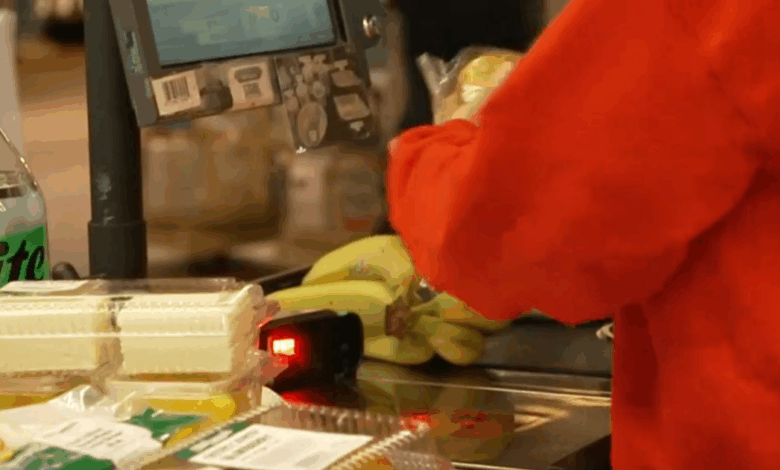
When it comes to grocery shopping in Santa Monica, California, the rising cost of food is becoming increasingly apparent. Recent data from the U.S. Bureau of Labor Statistics Consumer Price Index shows that food prices increased by half a percent from July to August, marking the fastest monthly change since 2022. Overall, grocery prices in August were up 2.7% compared to the previous year.
Food industry analyst Phil Lempert attributes the spike in grocery prices to three main factors: tariffs, climate change, and labor shortages. The Trump administration’s tariffs have had a significant impact on prices, particularly for products like coffee, which has seen a 21.7% jump in price compared to a year ago. With tariffs on Brazilian coffee beans, import costs have risen, leading to higher prices for consumers.
In addition to tariffs, climate change has also played a role in driving up grocery prices. Changes in growing conditions have forced food production to shift to Central and Latin America, impacting supply chains and driving up costs. Labor shortages further compound the issue, making it difficult for farms and manufacturers to meet demand.
One consequence of rising prices is shrinkflation, where manufacturers reduce the size of products while keeping prices the same. Lempert points out that many common consumer products have shrunk in size since the start of the pandemic, leading to consumers paying more for less. In some cases, items like coffee bean packets that used to be sold in 16-ounce sizes are now only 10.5 ounces.
To combat higher prices, Lempert advises consumers to be proactive in their shopping habits. This includes creating a shopping list, avoiding food waste, utilizing coupons and loyalty programs, and comparing prices between stores. As consumers adapt to the changing landscape of grocery prices, strategies like buying store brands, shopping for deals, and purchasing in bulk are becoming more common.
Overall, the trend of rising grocery prices and shrinkflation is unlikely to disappear anytime soon. As consumers navigate the challenges of higher costs, being mindful of shopping habits and seeking out savings opportunities can help alleviate the impact on their wallets. By staying informed and proactive, consumers can make the most of their grocery budgets in an increasingly expensive market.