Rome introduces tourist fee for some Trevi fountain visitors
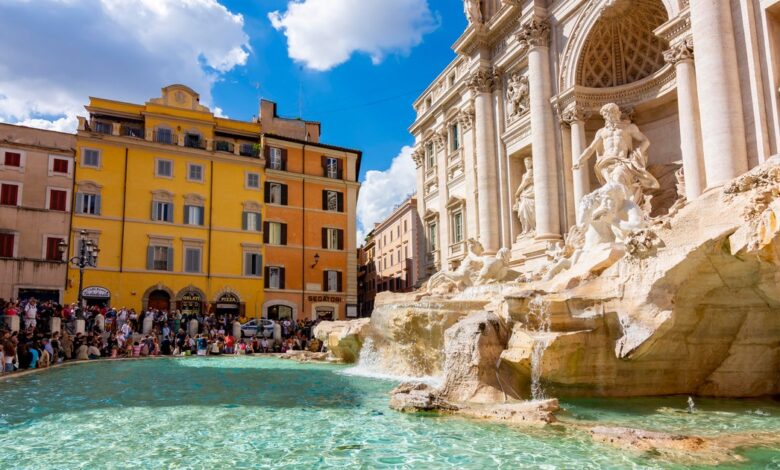
The iconic Trevi Fountain in Rome is a must-see destination for tourists from around the world. However, starting on February 1st, visitors will now have to pay a 2-euro fee to get up close to the fountain during peak daylight hours. This new fee is part of Rome’s efforts to manage tourist crowds, enhance the visitor experience, and cover the maintenance costs of preserving the city’s cultural heritage.
The decision to implement this fee follows a similar ticketing system at Rome’s Pantheon monument. However, city residents will be exempt from the fee, as Rome Mayor Roberto Gualtieri emphasized that culture should be a fundamental right for citizens. In addition to the Trevi Fountain fee, a new 5-euro ticket fee for certain city museums is being introduced, with plans to expand the number of free museums for registered Roman residents.
The goal of these fees is not to discourage visitors but to provide a more organized and enjoyable experience. The city has already seen positive results from a yearlong experiment to limit the number of visitors at the fountain, which included designated entrance and exit pathways. This system will now be permanent from 9 a.m. to 9 p.m., with nonresidents required to pay the fee.
Visitors can pay the fee in advance online, while waiting in line, or at tourist locations throughout the city. Access to the fountain will be free after nightfall. The Trevi Fountain, commissioned by Pope Urban VIII in 1640 and designed by architect Nicola Salvi, features a stunning display of cascading waterfalls and a shallow turquoise pool. Legend has it that tossing a coin over your shoulder into the fountain will ensure a return to Rome.
In light of the growing issue of overtourism in European cities, Rome’s new fee aims to strike a balance between preserving cultural heritage and managing visitor numbers. Similar initiatives have been implemented in Venice, where a tax for day-tripping tourists was introduced last year. Incidents of disrespectful behavior by tourists, such as climbing the fountain or defacing historic sites, have drawn attention to the need for responsible tourism practices.
As visitors continue to flock to Rome to marvel at its architectural wonders, the city is taking steps to ensure that its cultural treasures are respected and preserved for future generations to enjoy. By implementing these fees and restrictions, Rome is striving to create a sustainable tourism model that benefits both visitors and the city’s rich cultural heritage.