Russia Cracks The Door To Bitcoin For Retail Investors
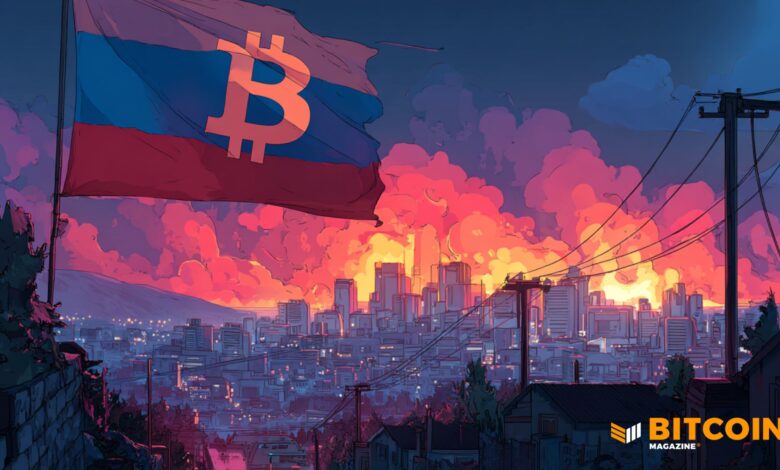
The Bank of Russia has introduced a new framework to regulate cryptocurrencies, aiming to provide tiered access for investors while maintaining strict controls on risk and usage. This move comes as Russia adapts to changing financial landscapes due to sanctions and market shifts.
In a recent concept paper released by the central bank and submitted for government review, it was outlined that both qualified and non-qualified investors would be able to acquire crypto assets, but under different rules, limits, and testing requirements.
This development follows the Bank of Russia’s decision earlier this year to allow domestic banks to engage in limited crypto operations under close supervision. The central bank’s First Deputy Chairman, Vladimir Chistyukhin, stated that while the institution remains cautious about assets like bitcoin, there is no longer a justification for excluding banks from such activities.
Reports have also emerged indicating that Russia has been using bitcoin to settle some oil trades with China and India, bypassing Western sanctions through intermediaries. Despite these developments, the Bank of Russia continues to classify cryptocurrencies as high-risk instruments, emphasizing the importance of investors understanding the potential for significant losses.
Under the proposed framework, non-qualified retail investors would be limited to purchasing the most liquid cryptocurrencies, subject to specific criteria to be established in legislation. These investors would need to pass a knowledge test and would be restricted to annual purchases of up to 300,000 rubles (approximately $3,800) through a single intermediary.
Qualified investors, on the other hand, would face fewer constraints and could buy any cryptocurrency without transaction limits, provided they demonstrate an understanding of the associated risks. However, anonymous cryptocurrencies, which conceal transaction recipient information, would remain prohibited.
The framework also includes the formal recognition of digital currencies and stablecoins as monetary assets, allowing for their buying and selling. However, their use as a domestic payment method within Russia would remain prohibited to uphold the central bank’s stance that cryptocurrencies should not replace the ruble in everyday transactions.
Cryptocurrency trading would be conducted through licensed infrastructure, with exchanges, brokers, and trustees permitted to offer crypto services under their existing authorizations. Specialized crypto depositories and exchangers would be subject to additional requirements.
Additionally, Russian residents would be able to purchase cryptocurrencies abroad using foreign accounts and transfer previously acquired crypto overseas through Russian intermediaries, with notification to tax authorities required for such transactions.
The regulatory framework extends to digital financial assets (DFAs) and other Russian digital rights, allowing their circulation on open networks to attract foreign investment and provide investors access to DFAs on terms similar to crypto assets.
The Bank of Russia aims to finalize the legislative framework by July 1, 2026, with plans to introduce penalties for illegal activities by crypto intermediaries starting July 1, 2027. As of the latest data, Bitcoin is trading at $87,555, with a 24-hour trading volume of $47 billion, experiencing a 3% decrease over the past day. The cryptocurrency’s supply stands at 19,965,971 coins out of a maximum supply of 21 million, with a global market capitalization of approximately $1.75 trillion.
This comprehensive regulatory approach by the Bank of Russia reflects the country’s evolving stance on cryptocurrencies, balancing investor access with risk management and oversight to navigate the changing landscape of digital assets.