Russia’s nuclear-capable Oreshnik missiles have entered active service, Moscow says
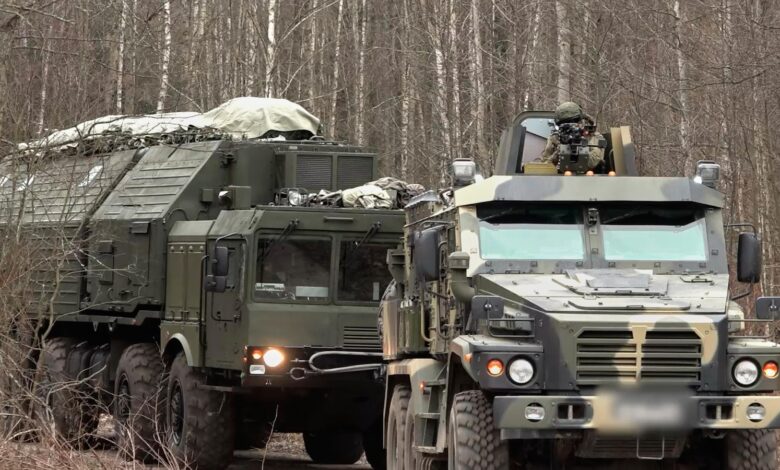
Russia has officially introduced its nuclear-capable Oreshnik missile system into active service, according to a statement from Russia’s Ministry of Defense on Tuesday. This development comes amid ongoing peace negotiations to end the conflict in Ukraine.
A ceremony was held by troops in Belarus to mark the deployment of the missiles, although specific details such as the number of missiles deployed were not disclosed.
Russian President Vladimir Putin had previously announced in December that the Oreshnik missile system would become operational this month. He issued this statement during a meeting with top Russian military officials, where he also emphasized Russia’s intentions to expand its territorial gains in Ukraine if certain conditions are not met during peace talks.
The timing of this announcement is crucial as negotiations between Russia and Ukraine continue. U.S. President Donald Trump recently hosted Ukrainian President Zelenskyy at his Florida resort and expressed optimism about the progress made towards a peace settlement.
However, key issues such as the withdrawal of forces from certain regions in Ukraine and the status of the Zaporizhzhia nuclear power plant remain unresolved. There is still a risk of the negotiations collapsing, as noted by Trump.
Putin has underscored Russia’s military strength in the negotiations, particularly as Ukrainian forces face challenges in repelling the Russian army. He has also emphasized the need to establish military buffer zones along the Russian border.
The Oreshnik missile system, named after the hazelnut tree, was first used against Ukraine in November 2024. Putin has praised its capabilities, highlighting its speed and effectiveness in targeting specific objectives.
With the potential to carry both conventional and nuclear warheads, the Oreshnik poses a significant threat to European nations. Its range covers a vast expanse, encompassing all of Europe.
Intermediate-range missiles like Oreshnik were previously prohibited under a treaty between the U.S. and Russia, which was abandoned in 2019. The implications of this shift in military capabilities are far-reaching and could impact the ongoing conflict in Ukraine.
For more updates on the situation in Ukraine, follow AP’s coverage at https://apnews.com/hub/russia-ukraine