Schwab Sees 90% Crypto Surge, Plans 2026 Bitcoin Trading
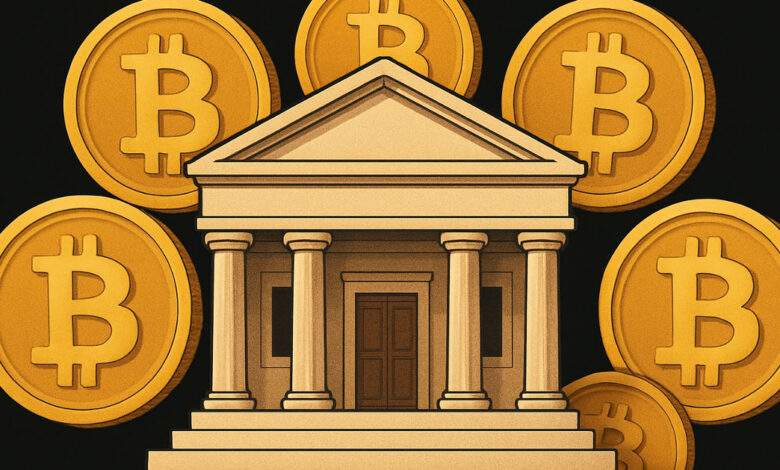
Charles Schwab, a leading financial services firm, is experiencing a surge in engagement from retail investors in its crypto products. CEO Rick Wurster recently revealed in an interview with CNBC that visits to Schwab’s crypto platform have increased by a remarkable 90% year-over-year. This spike in activity indicates a strong investor interest in Bitcoin ETFs, Bitcoin futures, and other crypto exchange-traded products.
Currently, Schwab clients hold approximately 20% of all crypto ETPs in the U.S. Wurster highlighted that the company is actively responding to this demand by offering a wide range of crypto investment options and educational resources. Schwab is bridging the gap between digital access and traditional client support by providing assistance through calls and branch offices.
In a significant development, Charles Schwab is set to introduce spot Bitcoin trading in the first half of 2026. This announcement was made during Schwab’s third-quarter earnings call, where the company reported a substantial $134.4 billion in net new assets, reflecting a 48% year-over-year increase.
Earlier this year, Schwab revealed its plans to enable Bitcoin and Ethereum trading in response to client demand. Wurster’s comments during the earnings call marked the first time the bank provided a tentative timeline for this initiative.
The move towards crypto integration aligns with Schwab’s overall success in the financial market. The firm achieved record-breaking results in the latest quarter, with total client assets reaching $11.59 trillion, up 17% year-over-year, and a 30% increase in daily average trades. Wurster emphasized that Schwab’s strategy focuses on offering advanced trading platforms like ThinkorSwim while providing guidance for new investors, making crypto accessible and understandable for a wider audience.
In a sign of the growing acceptance of Bitcoin and other cryptocurrencies in traditional finance, Morgan Stanley recently advised clients to allocate between 2% and 4% of their portfolios to crypto assets, primarily bitcoin. The firm described bitcoin as a scarce asset similar to digital gold and recommended regular portfolio rebalancing through exchange-traded products to manage volatility.
U.S. Bank also made a significant move by establishing a Digital Assets and Money Movement organization to accelerate the development of digital products and services such as stablecoin issuance, cryptocurrency custody, asset tokenization, and digital money movement.
Institutional holdings in Bitcoin ETFs have seen a notable increase, reaching $870.7 million in Q3 2025, up $117.3 million from the previous quarter. These developments underline the growing interest and adoption of cryptocurrencies within the traditional financial sector.