Senators say bipartisan compromise on ACA tax credits has stalled
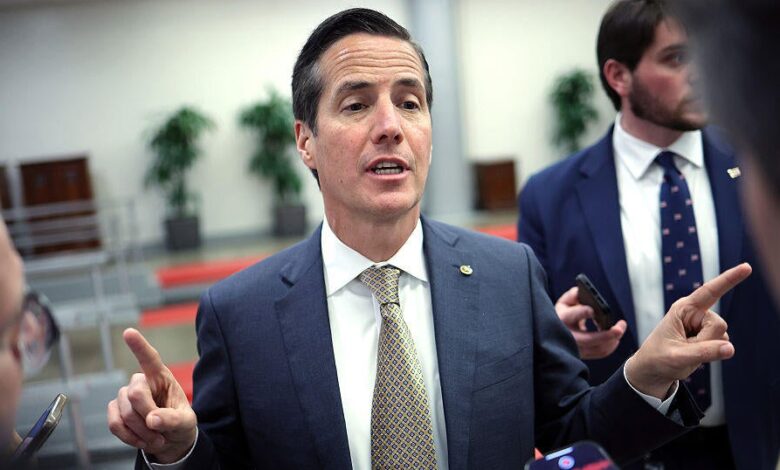
The long-sought bipartisan compromise to extend the expired Affordable Care Act’s enhanced premium tax credits for two years has hit a roadblock, with Republican senators blaming Democratic leaders for the lack of movement on the issue. GOP Sen. Bernie Moreno of Ohio expressed frustration, stating that he would take a pause until he hears affirmative statements from Democratic leaders that they are willing to contemplate a deal that extends the enhanced premium tax credits with the outlined reforms.
The proposed compromise would extend the Affordable Care Act’s open enrollment period until March 1 and impose an income eligibility cap at 700% of the federal poverty level. Additionally, the plan would eliminate zero-premium plans, requiring enrollees to pay a minimum premium of $5 per month or $60 per year. To prevent fraudulent enrollments, insurance companies would face a $100,000 fine if someone is signed up without their consent.
In the second year of the plan, individuals would have the option to choose a lower-tier plan and receive the funds in a health savings account rather than directly to insurance companies. However, without support from Democratic leaders, Moreno emphasized that there is no reason to continue efforts on the compromise.
Senate Minority Leader Chuck Schumer criticized Moreno, stating that Republicans are to blame for the expiration of the credits, resulting in higher costs for Americans. The Hyde amendment, which prohibits federal funding for abortion, remains a sticking point in negotiations. Some Republicans are pushing for additional Hyde amendment language to be included in the health care bill, while Democrats are hesitant to agree to any abortion restrictions.
The subsidies were a focal point of the government shutdown last year, with Democrats insisting on an extension of the tax credits as a condition for funding the government. Despite efforts to reach a compromise, the GOP-led Senate rejected Democrats’ attempt to pass a three-year extension without reforms.
Lawmakers have been working towards a bipartisan solution to address rising health care costs, with some Republicans crossing party lines to support Democrats’ plan to revive the subsidies in the House. While the measure is unlikely to pass the Senate, lawmakers hope it will serve as a vehicle for a forthcoming compromise. However, Democratic leaders have not yet endorsed the plan emerging from the Senate, leaving the fate of the bipartisan compromise uncertain.