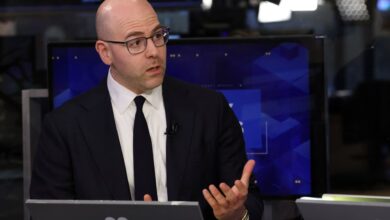
‘Shadow’ Fed chief would not influence policy debate, Goolsbee tells CNBC
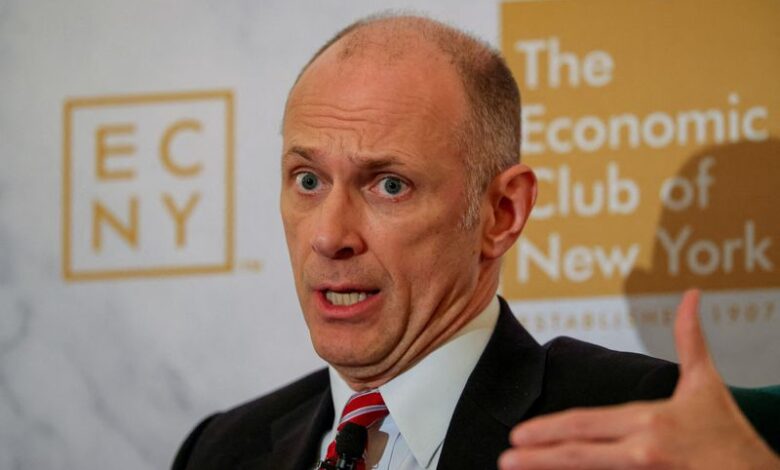
Federal Reserve Chair Jerome Powell’s future at the helm of the U.S. central bank has been a topic of much speculation and debate, particularly with President Donald Trump’s recent comments about potentially naming a replacement. However, Chicago Fed President Austan Goolsbee emphasized that any move to appoint a new chair would not have an immediate impact on monetary policy. Goolsbee highlighted that the current chair, Jay Powell, leads the Federal Open Market Committee, and decisions on interest rates are made through a voting process every six weeks.
Trump has been vocal in his calls for the Fed to cut rates, despite Powell and other policymakers indicating that they are waiting to assess the impact of tariffs on inflation before considering any rate adjustments. Powell reiterated this stance during recent congressional hearings, noting that the Fed is prepared to act if necessary but must approach rate cuts cautiously to avoid long-term consequences.
Speculation about Powell’s potential replacement has intensified, with names like Fed Governor Christopher Waller and former Fed Governor Kevin Warsh being mentioned in the media. Trump has hinted at naming a successor soon, with reports suggesting a shortlist of candidates.
The uncertainty surrounding Powell’s future and the Fed’s monetary policy approach have had implications for the dollar’s value and U.S. central bank independence. The idea of a “shadow” Fed chief, appointed by Trump before Powell’s term ends, raises concerns about the integrity and autonomy of U.S. policymaking.
Despite Trump’s interest in appointing a new chair, Powell’s term extends until next May, and recent legal developments suggest that his position is secure. This could limit Trump’s ability to reshape the central bank before the end of his presidency in 2029.
The ongoing discussions about Powell’s future, potential rate cuts, and the impact of tariffs on inflation underscore the complexities of managing monetary policy in a volatile economic environment. As the debate continues, market observers will closely monitor developments at the Fed and the implications for the broader economy.
This article, based on insights from Fed officials and market analysts, provides a comprehensive overview of the current dynamics shaping U.S. monetary policy and the challenges ahead.