Silver is rebounding after its worst trading day in four years. Here’s what is behind the move.
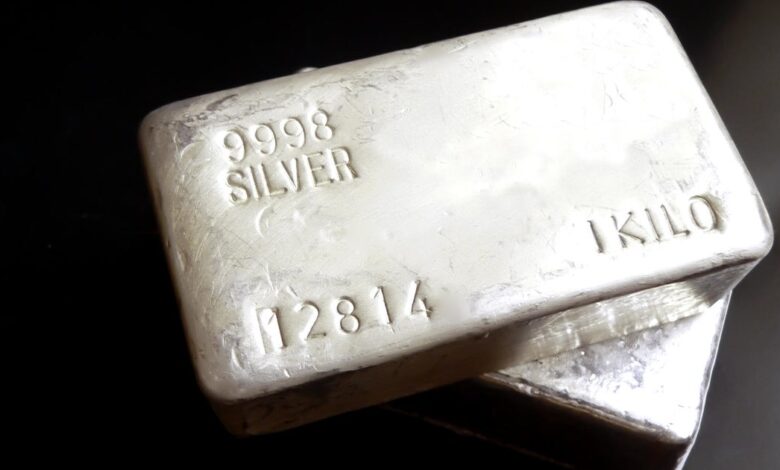
Following a sharp selloff that rocked the market yesterday, silver made a strong rebound on Tuesday, adding another twist to what has been a remarkable year for the precious metal. Since January, silver prices have more than doubled, showcasing a significant increase in value.
Silver futures surged to $78.03 per ounce on Tuesday, marking a 10% gain after experiencing an 8.7% decline on Monday, according to financial data company FactSet.
Gold futures have also seen a substantial increase in value this year, reaching record highs earlier in December.
Investors have been turning to precious metals as a safe haven amidst escalating geopolitical tensions and as a hedge against inflation. This surge in demand has led to significant gains in both silver and gold.
“Silver witnessed a record rally in 2025, with a 150% increase that surpassed that of gold and other assets in the sector,” stated Alex Kuptsikevich, chief market analyst at FxPro, in an email.
Despite the impressive price gains of silver this year, the metal still falls short of its inflation-adjusted price record set in 1980. To match that level, silver would need to be priced at $200 per ounce today,” Kuptsikevich noted.
The selloff in silver on Monday was triggered by a technical change at the Chicago Mercantile Exchange, one of the world’s largest commodities trading venues. The exchange announced that it would require traders to increase their cash holdings to maintain positions in silver, gold, and other metals following the surge in prices this year.
The CME raised margin requirements for these contracts in a notice released on Friday. Such measures are put in place to protect the exchange from the risk of traders being unable to cover their positions in the event of sharp price fluctuations.
Exchanges often raise margin requirements when a commodity or security experiences a significant surge. In its notice, the CME stated that the adjustment was made “per the normal review of market volatility.”
Copper Prices
Copper futures also bounced back on Tuesday, reclaiming some of the losses from Monday with a 3.1% increase. Despite a 4.7% decline at the start of the week, copper futures have surged over 42% this year, on track for the largest gain in 16 years. Copper plays a critical role in global energy infrastructure, and the demand is expected to continue rising as the advancement of artificial intelligence technology places more strain on data centers and the energy grid.
Mining companies, which experienced a downturn alongside gold and silver on Monday, saw a rebound early on Tuesday, with companies like Freeport-McMoRan and Newmont both seeing over 2% increases.